← Back to Home

EXPLORE HISTORY

Explore Historical Recipes

Discover food by region and historical period.

Results81recipes
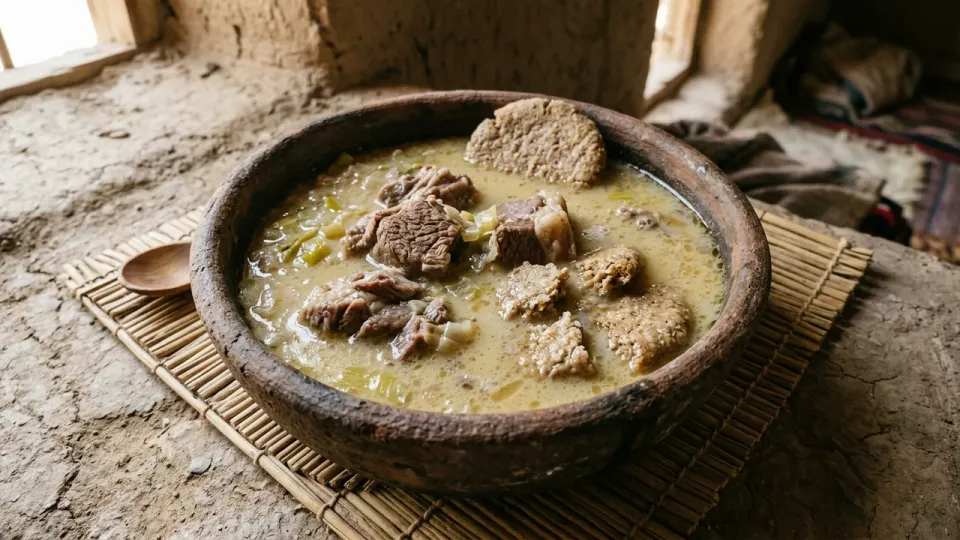
AI-generated recreation image of Babylonian lamb stew: braised lamb pieces, rustic barley cakes (risnātu), and alliums in a milky broth served in a coarse terracotta earthenware bowl on a woven reed mat

Ancient Mesopotamia

Babylonian Lamb Stew

Guided by m. puhādi (“Stew of Lamb”) on Old Babylonian tablet YBC 4644 (Recipe 12, obverse lines 31–32), this article presents a modern home recipe combining lamb, milk, grain cakes and alliums. It is distinct from the beet-based stew Tuh’u.
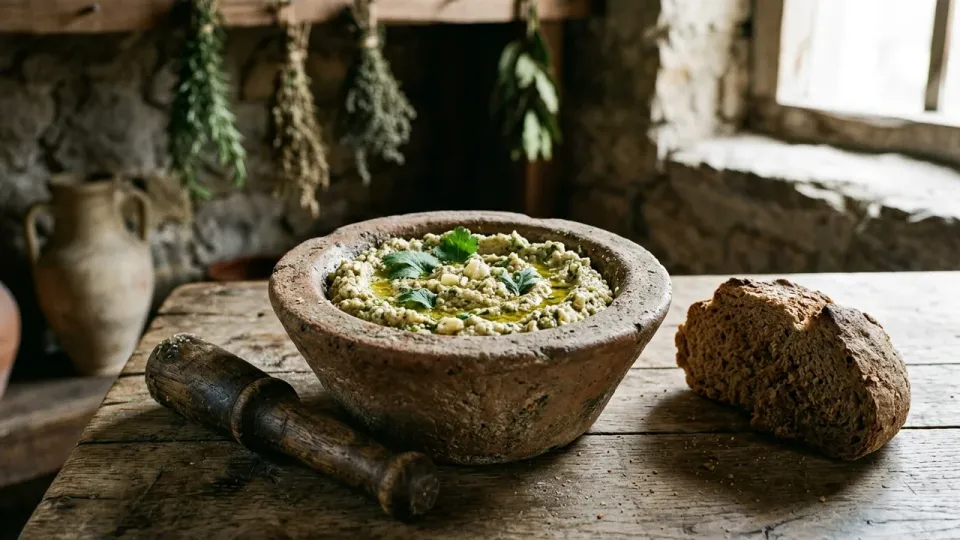
AI-generated recreation image of Moretum: rustic pestle-ground sheep cheese, garlic, and green herb paste served beside an Ancient Roman terracotta mortarium with country bread

Ancient Rome

Moretum

A modern adaptation for pounding cheese, garlic and herbs, guided by the Latin poem Moretum and its farmer’s food preparation. Neither Virgil’s authorship nor an exact composition date is established here.

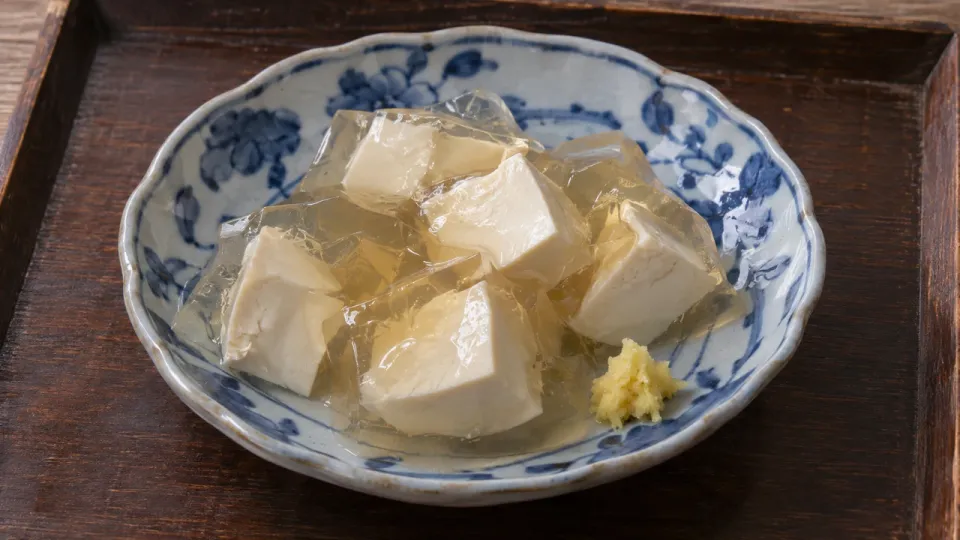
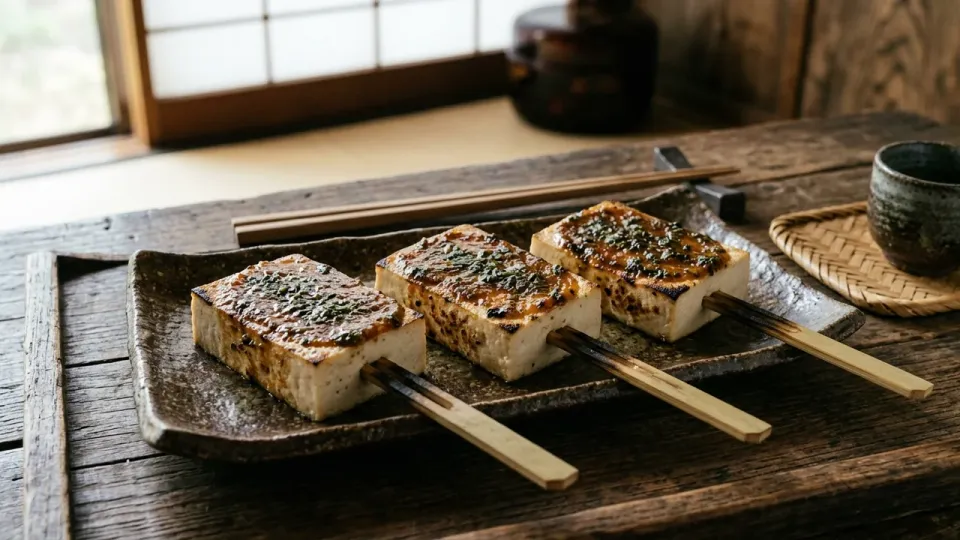
AI-generated recreation image of Kinome Dengaku: skewered broiled firm tofu glazed with rich dengaku miso blended with crushed young sansho leaves on a rustic Japanese ceramic plate

Edo Period, Japan

Kinome Dengaku (Miso-Grilled Tofu)

Kinome Dengaku appears in Tofu Hyakuchin, a Japanese cookbook published in 1782. Historical evidence is separated from modern changes.

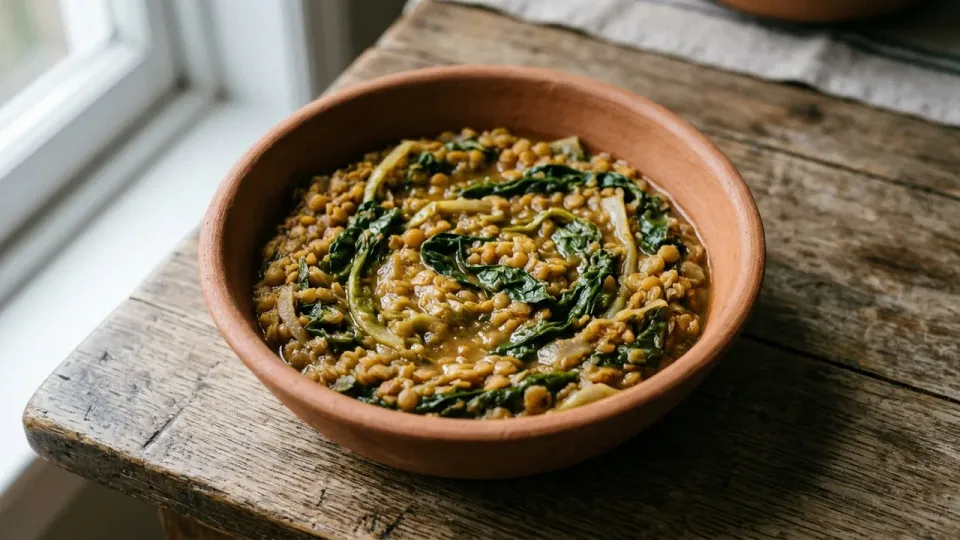
AI-generated recreation image of 13th-century Andalusian Muzawwara: tender golden-brown stewed lentils and wilted green lettuce leaves served in a shallow rustic earthenware bowl on a wooden table

13th century (Al-Andalus & Maghreb)

13th-Century Andalusian Lentil and Lettuce Stew (Muzawwara)

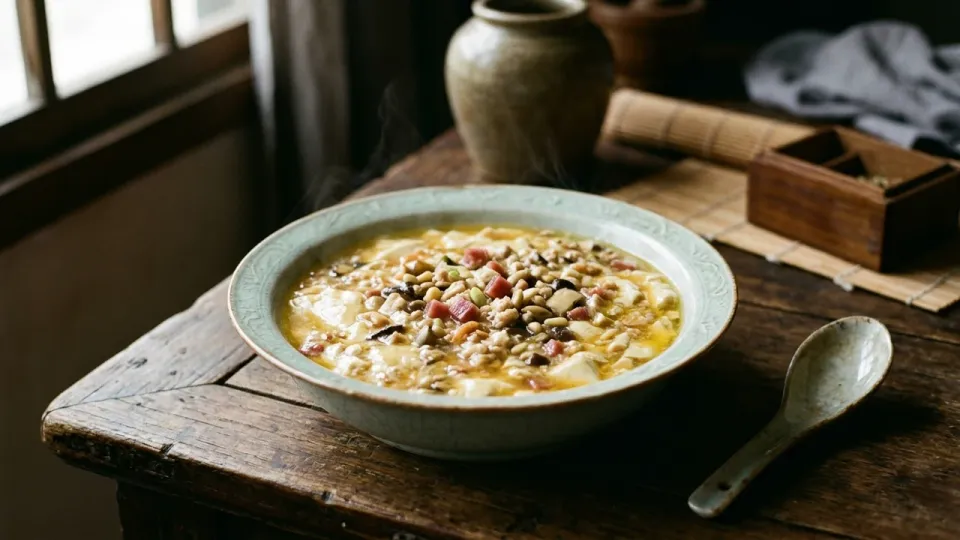
A fragrant, gentle vegetarian stew called 'Muzawwara' from a 13th-century Andalusian cookbook. Tender split red lentils and fresh lettuce are simmered with extra virgin olive oil, ground coriander, saffron, cinnamon, and white wine vinegar. Adapted for modern home cooking.

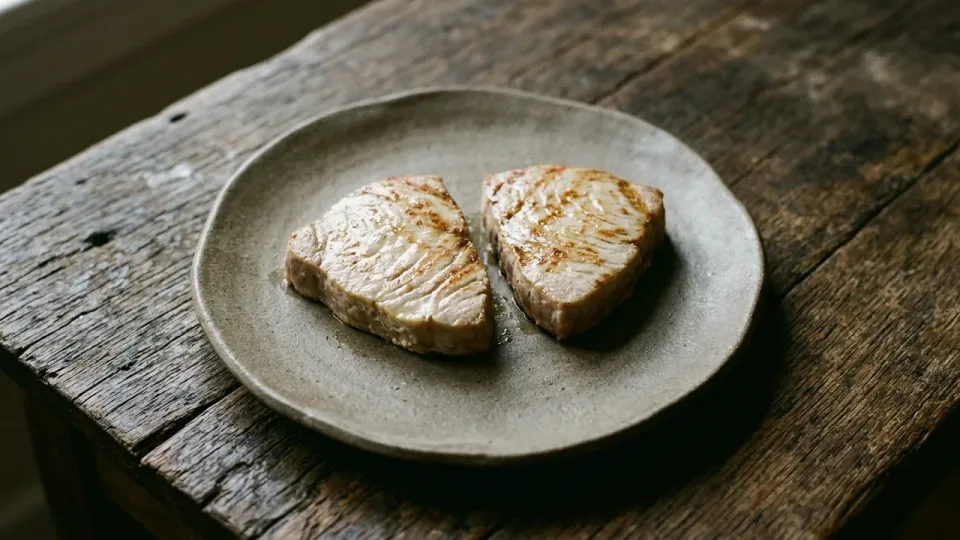
AI-generated recreation image of ancient Greek grilled tuna after Archestratus: two naturally seared tuna steaks served on a rustic ceramic plate on a wooden table

4th Century BCE (Classical Greece)

Ancient Greek Grilled Tuna

A historically inspired recreation based on the 4th-century BCE culinary poet Archestratus's 'Hedypatheia' (preserved in Athenaeus's 'Deipnosophistae'). Beyond the strict historical prohibition of vinegar, this modern home adaptation opts to omit lemon and heavy sauces entirely, broiling prime tuna simply with a touch of salt and olive oil to celebrate the natural flavor of the fish.

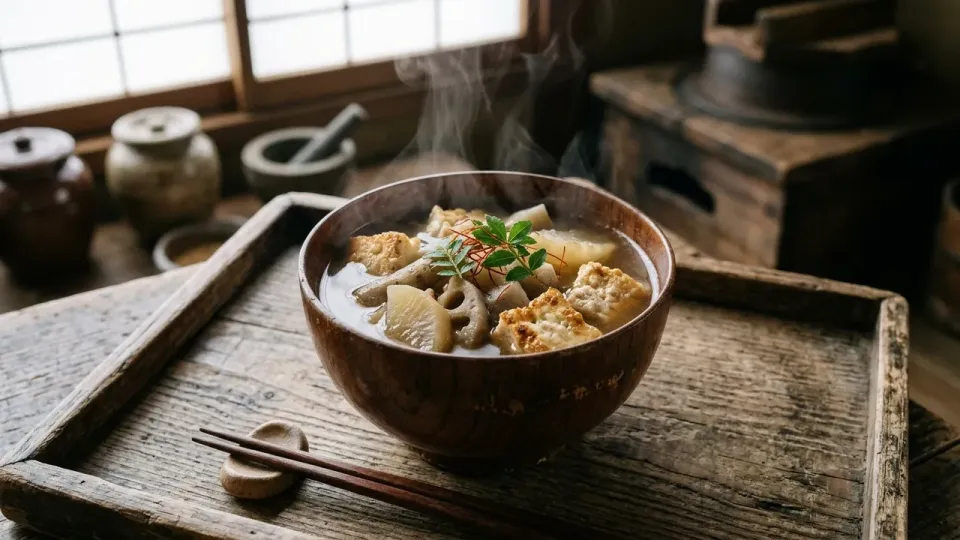
AI recreation of 1643 Edo period hearty Atsume-jiru soup with root vegetables and tofu from Ryori Monogatari in a wooden lacquer bowl.

Early Edo Period (1643)

Kanei Atsume-jiru (Ryori Monogatari, 1643)

A nourishing gathering soup from the 1643 Edo culinary guide Ryori Monogatari. Daikon, burdock, taro, and tofu gently simmered in seasoned dashi broth, recreating early Edo vegetable soup culture.

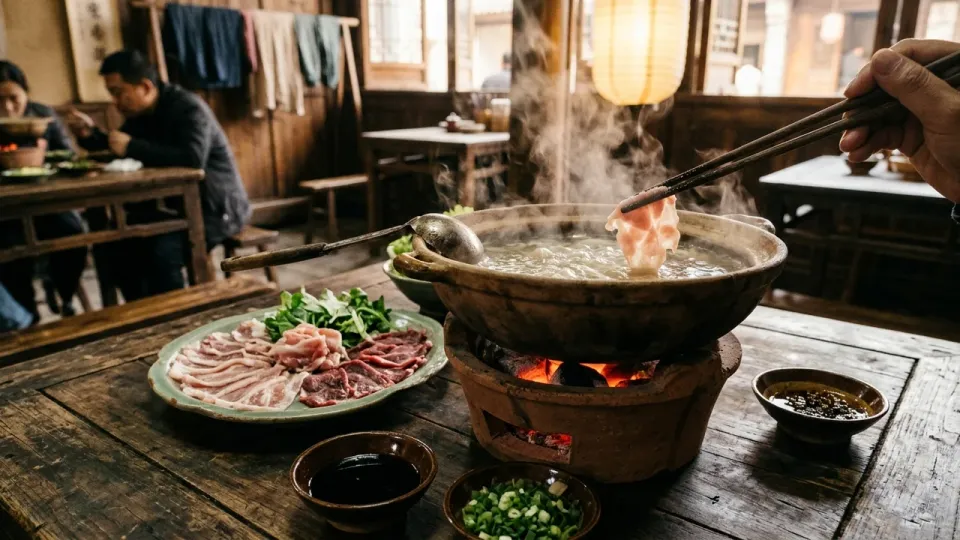
AI recreation of historical tabletop dipping of thin meat slices. The modern recipe first cooks pork to a core temperature of at least 75°C for at least 1 minute, then slices and reheats it.

13th Century Southern Song Dynasty

Baxiagong (13th Century Southern Song Tabletop Meat Hotpot)

Recorded by Lin Hong during a snowy retreat in the Wuyi Mountains, this historical tabletop dish features paper-thin meat swirled in boiling water and served with an aromatic pepper-soy dipping sauce. The AI image depicts the historical tabletop method. This modern version cooks the pork before slicing it thinly.

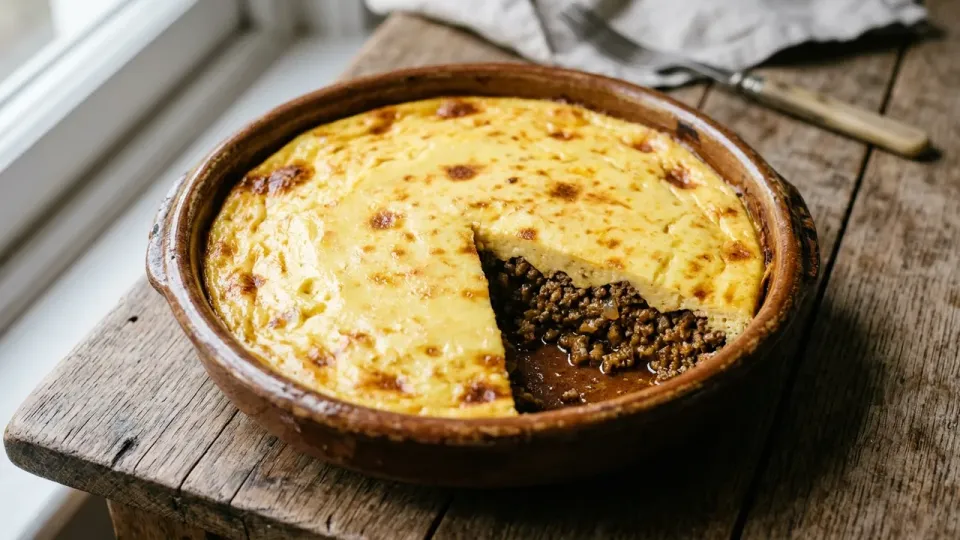
AI-generated recreation image of 1891 Cape Bobotee after Hildagonda Duckitt: a rustic shallow ceramic baking dish with a lightly browned golden egg custard topping and a cut wedge revealing the cooked minced beef layer

1891 publication (Cape domestic cookery)

1891 Cape Bobotee

A traditional baked minced meat dish of Cape domestic cookery, recorded in Hildagonda Duckitt's 1891 household cookery book published in London. Minced beef mixed with curry powder, sautéed onions, and milk-soaked bread is topped with an egg-and-milk custard, baked in the oven until golden, and served with rice in this adaptation for home cooking.

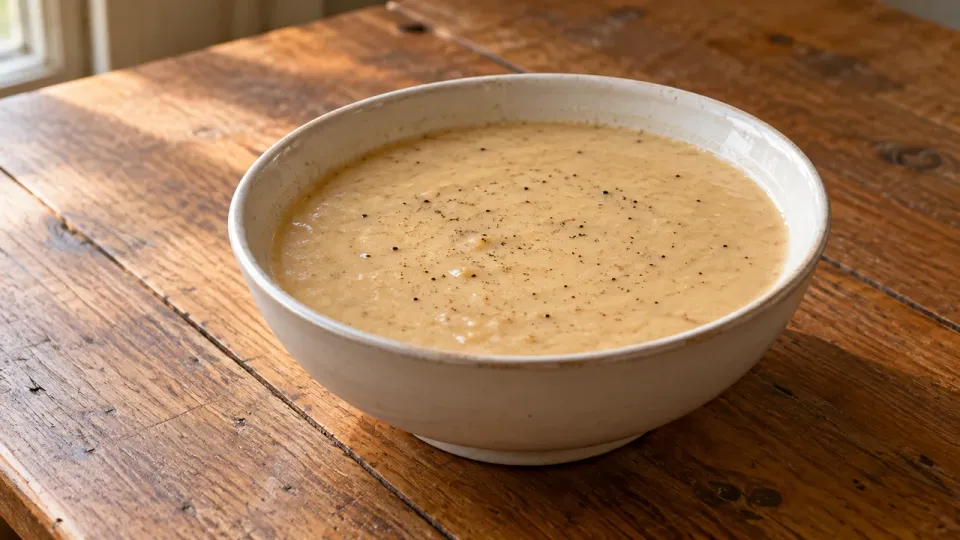
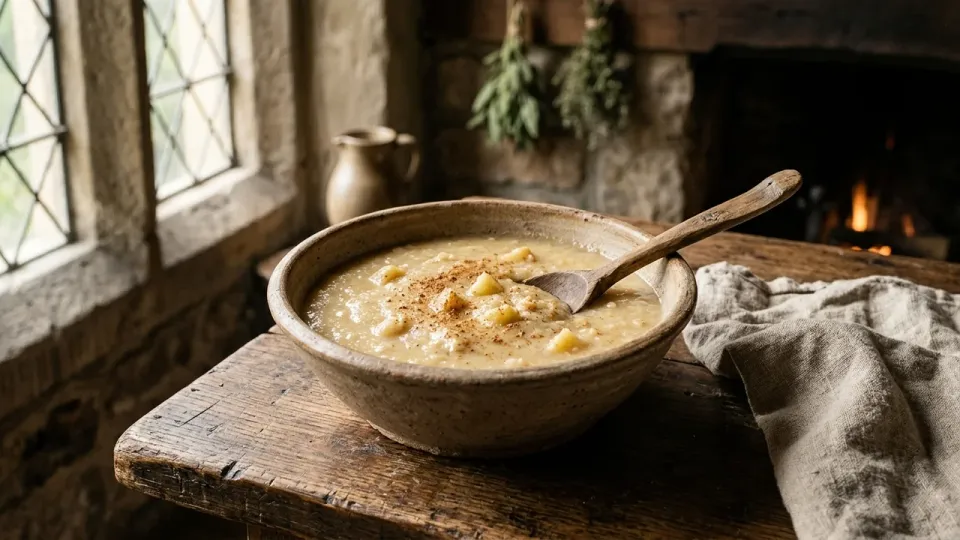
AI-generated modern recreation: pale beige soup of finely ground peanuts simmered in milk

Inspired by the 1917 bulletin from Alabama, United States

Carver’s peanut soup (1917)

Finely ground peanuts simmered in milk make a mellow, nutty soup. This home-sized recipe draws on the first soup in Carver’s bulletin.

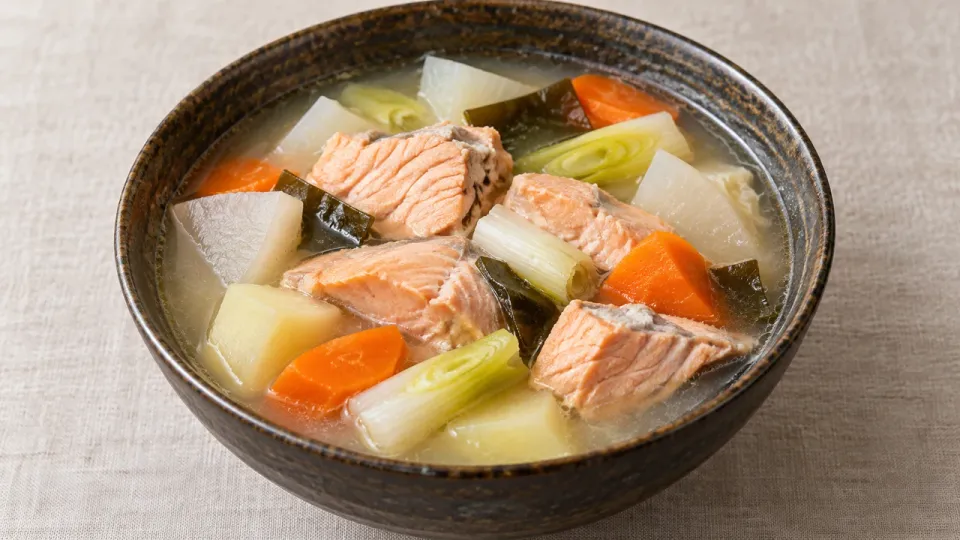
AI-generated modern home-recreation image of salmon ohaw with daikon, carrot, potato, kombu and Japanese long onion.

A living Ainu food tradition, informed by modern museum publications

Ainu Salmon Ohaw (cep ohaw)

A hearty soup for 3 with salmon, root vegetables and kombu, seasoned with salt. Adapted for home cooking from a recipe shared by the museum in Shiraoi, it offers one example of ohaw within a diverse Ainu food tradition.

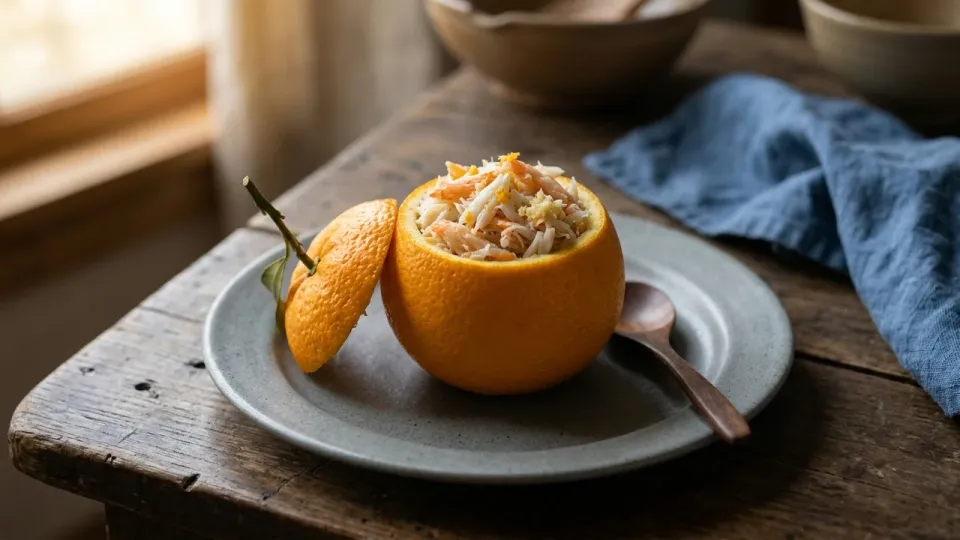
AI-generated recreation image of Southern Song Xie Niang Cheng (Steamed Crab-Stuffed Orange): a hollowed orange filled with flaky steamed crab meat, its sliced lid and wooden spoon resting beside it on a rustic ceramic plate

13th Century (Southern Song Dynasty)

Steamed Crab-Stuffed Orange (Xie Niang Cheng)

Recorded in Lin Hong's celebrated 13th-century Southern Song gastronomic book 'Shan Jia Qing Gong', 'Xie Niang Cheng' (Steamed Crab-Stuffed Orange) is one of the most iconic delicacies of medieval Chinese cuisine. Hollowed citrus rinds serve as steaming vessels for sweet crab meat infused with orange aroma, rice wine, and vinegar, adapted here for modern home cooking.

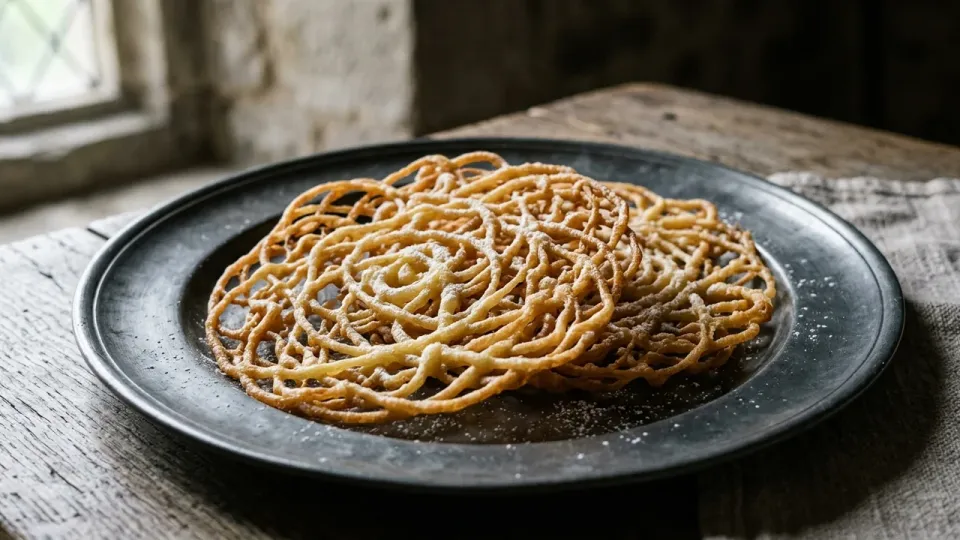
AI-generated recreation image of medieval French Crespes: delicate, golden lace-like fried fritters dusted with powdered sugar, served on a rustic pewter plate

Late 14th century (c. 1393, Paris, France)

Crespes

A crisp, medieval French fritter recorded in the late 14th-century Parisian household guide 'Le Ménagier de Paris', made by streaming batter through a pierced vessel into sizzling fat. Adapted from the historical recipe for modern home kitchens.

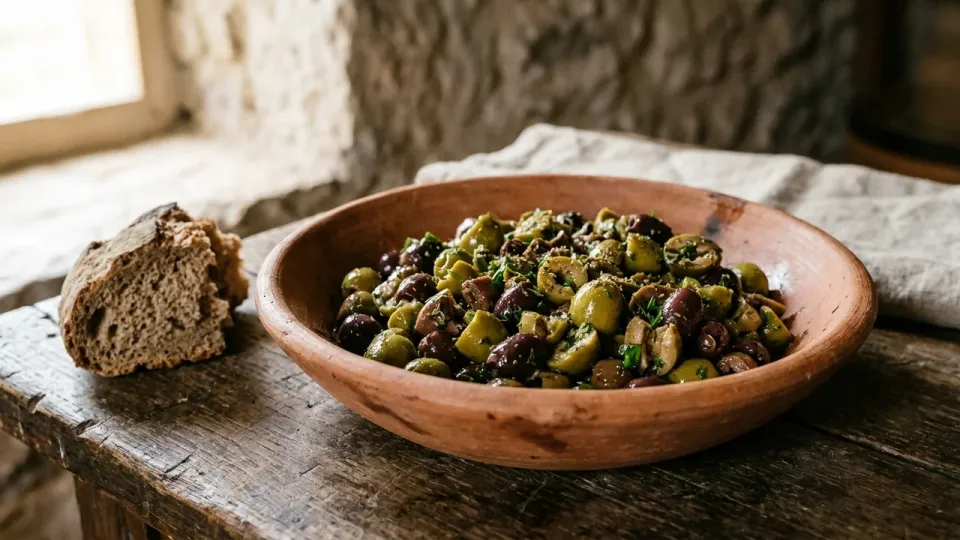
AI-generated modern recreation of Epityrum: coarsely chopped mixed olives with minced herbs in a rustic terracotta bowl; appearance and setting are conjectural.

Ancient Rome (second-century BCE work)

Epityrum — chopped olives and herbs

Chopped olives dressed with oil, vinegar and herbs, serving about 4. This home adaptation of Cato’s section 119 replaces the original rue with parsley.

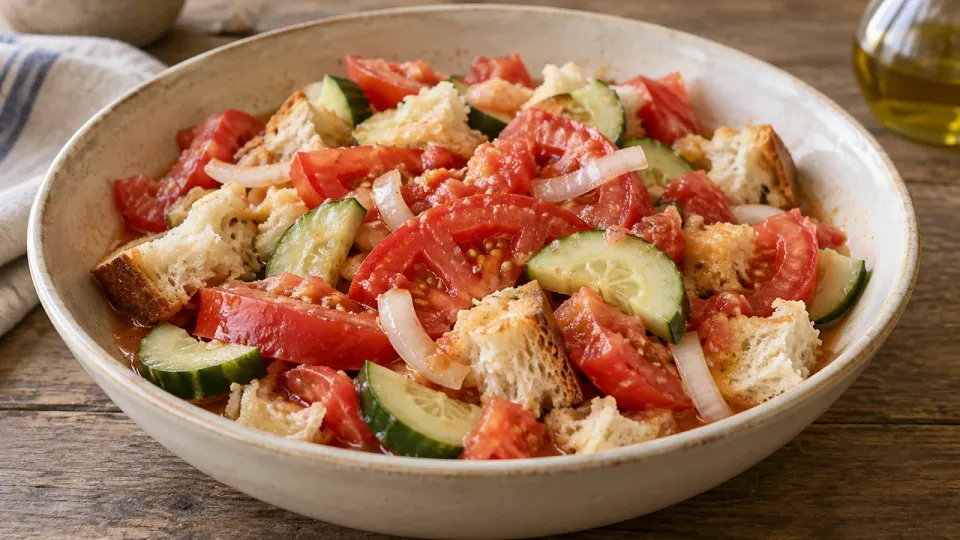
AI-generated modern recreation: layered cold tomatoes, cucumber, onion and bread

American cookbook text titled 1860

Randolph’s gaspacho: chilled bread and vegetables

Tomatoes, cucumber and toast are layered and soaked with a cooked tomato dressing. Mary Randolph’s cookbook offers a textured cold dish quite different from smooth modern gazpacho.

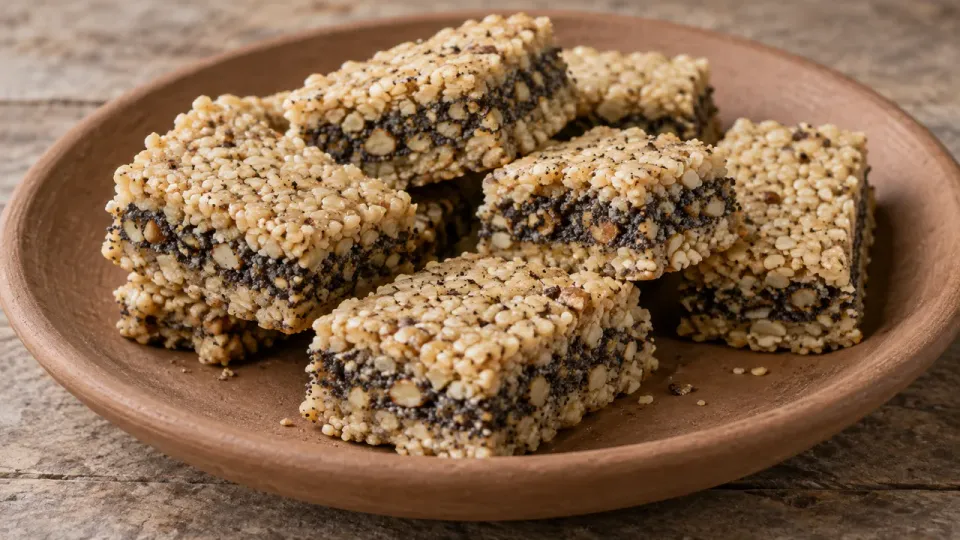
AI-generated modern recreation: square sweets with a dark nut layer between pale sesame layers

Period unspecified, Ancient Greece

Gastris: Greek honey and sesame layers

Rustic sesame-and-honey layers surround almonds and poppy seeds, with a little pepper. A home interpretation of the Cretan sweet recorded by Athenaeus.

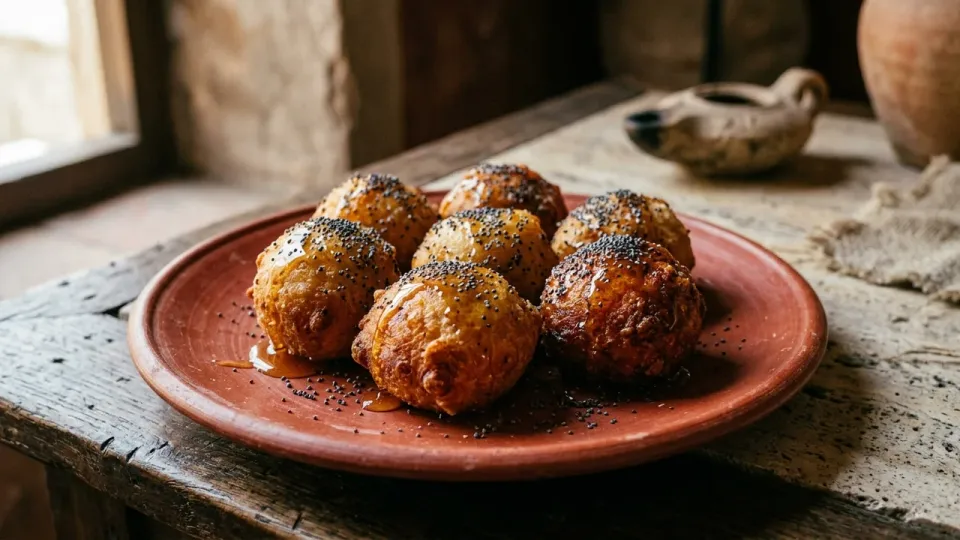
AI-generated recreation image of Globi: rustic golden fried cheese-and-semolina curd balls drizzled with honey and sprinkled with poppy seeds on an Ancient Roman pottery dish

Ancient Rome

Globi

Cato's On Agriculture, section 79, describes cheese and grain cooked in fat, finished with honey and poppy seeds. Semolina, ricotta and vegetable oil are modern substitutions.

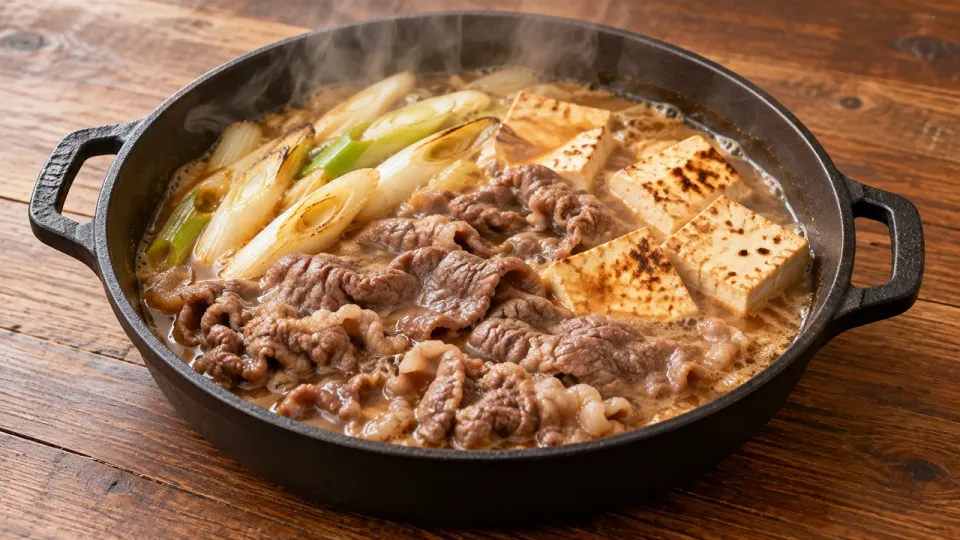
AI-generated modern home-recreation image of gyu-nabe with cooked beef, Japanese long onion and grilled tofu in a miso-coloured broth.

Early Meiji beef-eating culture, with reference to an 1871 literary work

Meiji-Inspired Gyu-nabe with Miso

A miso hotpot for 3 with thinly sliced beef, Japanese long onion and grilled tofu. Agura-nabe provides the historical setting of Meiji beef restaurants, while the quantities and method are adapted for a modern home kitchen.
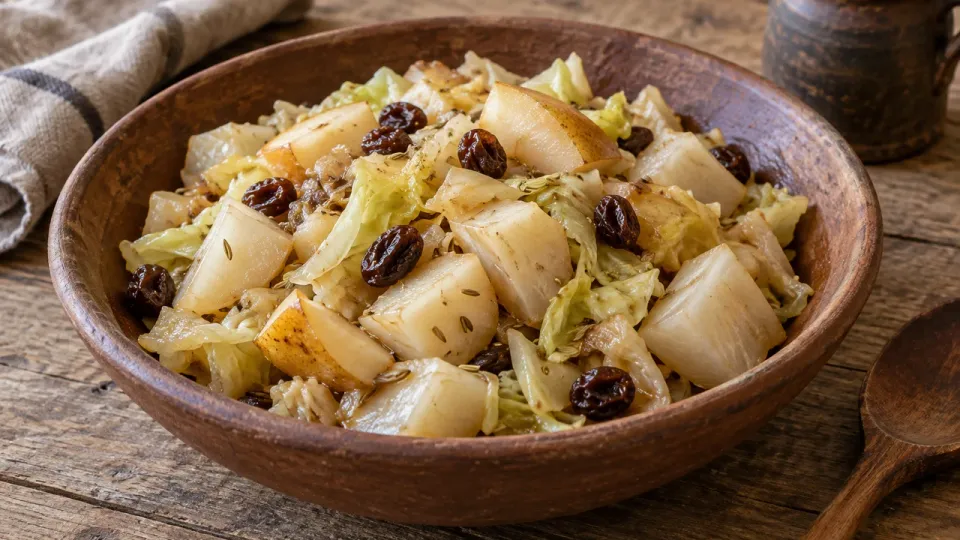
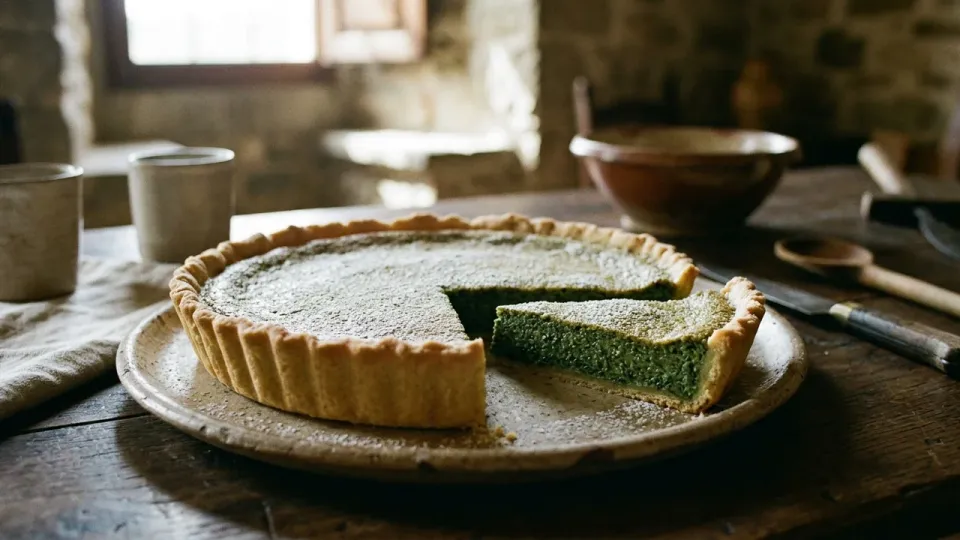
AI-generated recreation image of Herbolata: a round golden herb tart in a rustic ceramic plate, with one cut slice showing the vivid deep-green herb and cheese filling cross-section

Italian Renaissance (Late 15th Century; composition estimated c. 1465)

Herbolata de Maio — 15th-Century Italian Green Herb Tart

A vivid green Renaissance herb tart, 'Herbolata de maio' (May Herb Tart), recorded by master chef Maestro Martino. Made by extracting the fresh green juice of Swiss chard, sage, and parsley, then folding it into fresh cheese and egg whites for a seasonal spring preparation.

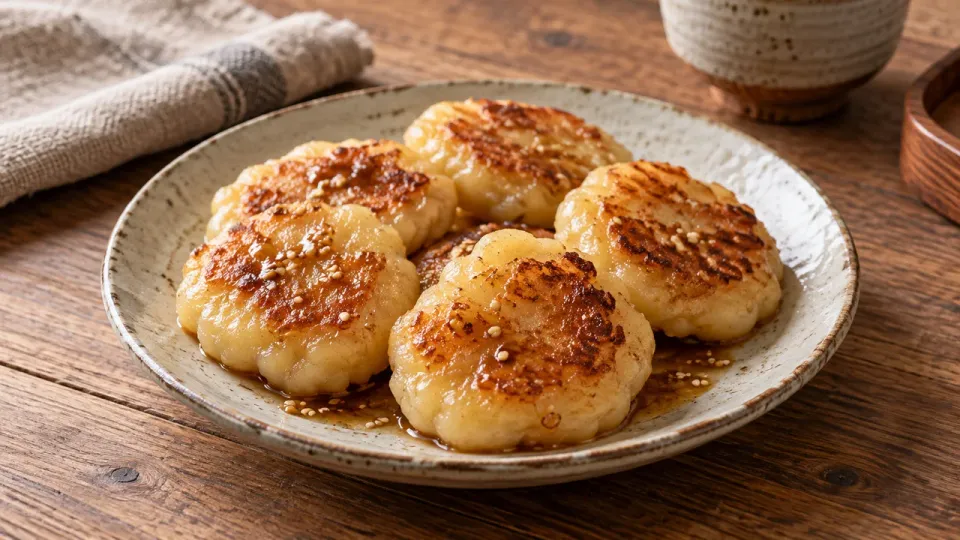
AI-generated modern recreation: Browned potato cakes with a sesame sauce

Hokkaido tradition; origin year unspecified

Hokkaido imomochi with sesame soy sauce

Potato and potato starch become lightly browned cakes in a little butter. A sweet-savoury sesame soy sauce finishes this Hokkaido snack with its soft, chewy centre.

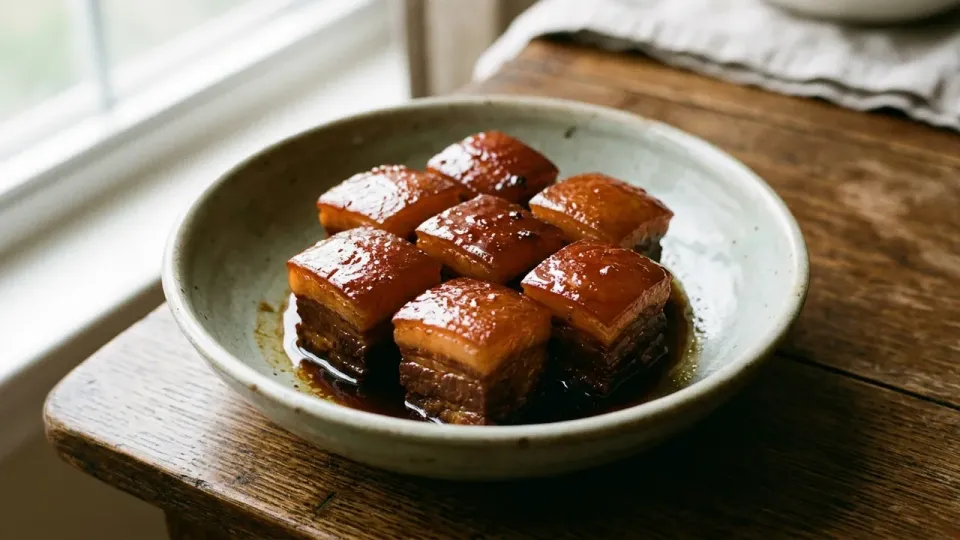
AI-generated recreation image of Hongwei Rou: square-cut pork belly cubes braised in Shaoxing rice wine and soy sauce to a glossy reddish-amber glaze in a simple stoneware bowl

Qing Dynasty China (1792)

Hongwei Rou (Suiyuan Shidan Red-Braised Pork)

Based on 'Three Methods for Red-Braised Pork' in Yuan Mei's Suiyuan Shidan (1792), this article presents pork belly slow-braised in rice wine, soy sauce and a little salt without caramelized sugar or star anise, separating Su Shi's Northern Song 'Ode to Pork' and historical uncertainties from a modern home adaptation.

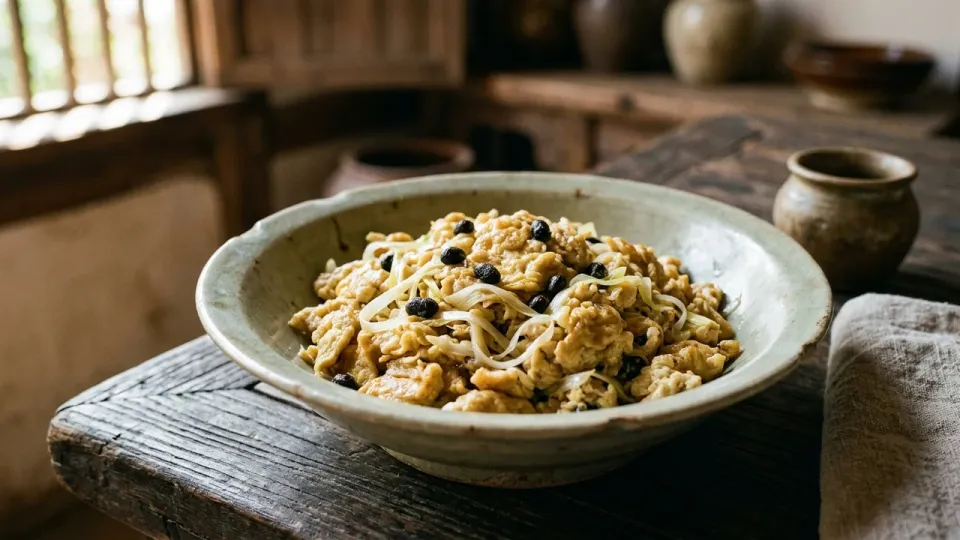
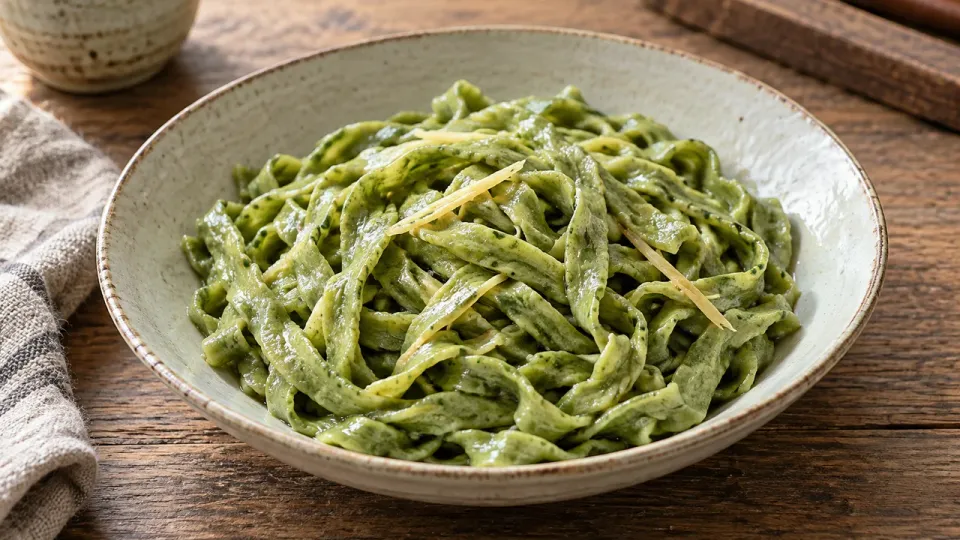
AI-generated modern recreation: flat green cold noodles made with spinach

Inspired by Du Fu’s 8th-century Tang poem

Spinach cold noodles inspired by huaiye lengtao

A green noodle dough made with spinach takes its cue from the food in Du Fu’s poem. Vinegar and sesame oil make a light dressing for this modern household dish.

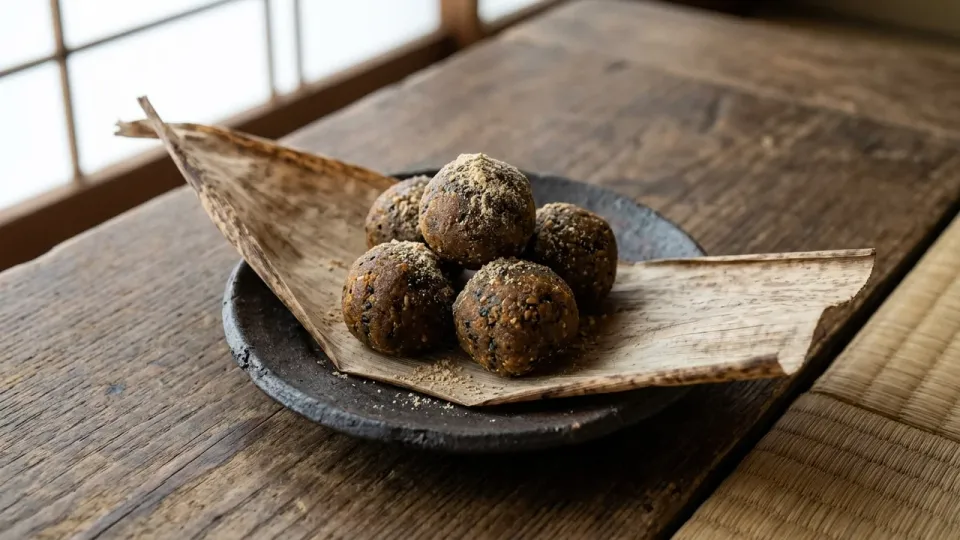
AI-generated modern recreation of brown dumplings with sesame on a bamboo sheath and plate; not evidence of a medicinal formula or an actual Edo object. The setting is illustrative.

Modern proposal inspired by Edo-period ninja texts

Kinako dumplings inspired by hyōrōgan

Travel-food-style dumplings made with roasted soy flour, glutinous rice flour, sesame and brown sugar, inspired by research on hyōrōgan and kikatsugan. Adapted for home cooking rather than following the medicinal ingredients or proportions of the old formulas.

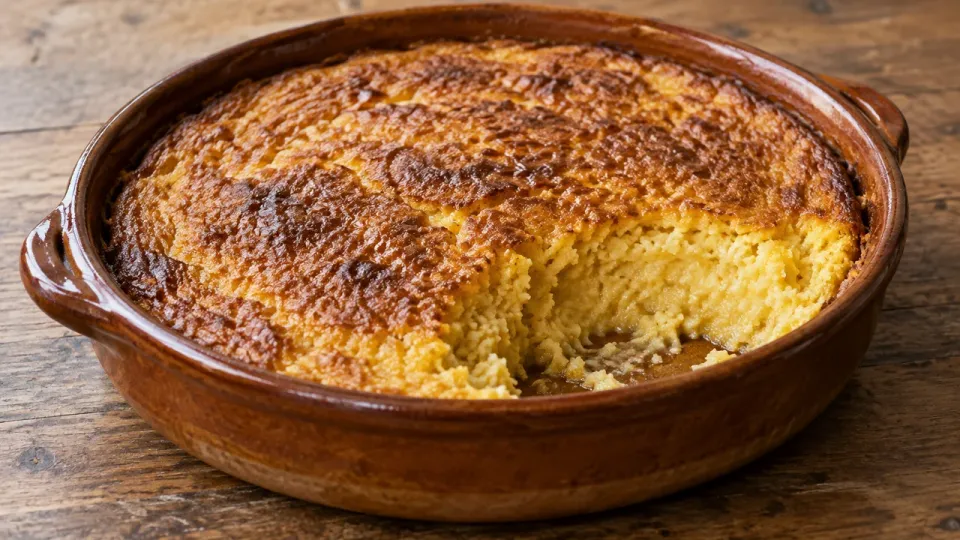
AI-generated modern recreation: browned molasses cornmeal pudding with a soft interior

From an early American cookbook

Cornmeal pudding inspired by 1796

Cornmeal thickened in milk is baked with molasses and warm spice. This home-sized pudding has an unevenly browned top and a softly set center.

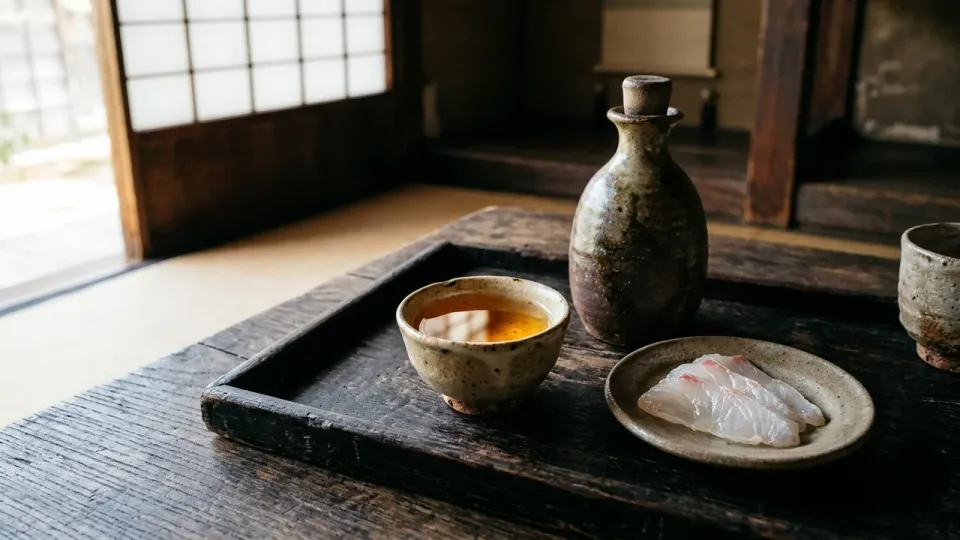
AI-generated modern recreation of irizake: amber liquid in a small ceramic bowl; a flask and white-fish sashimi illustrate serving, not recipe ingredients.

Edo period (cookbook published 1643)

Irizake — reduced sake seasoning

Sake reduced with umeboshi, bonito and tamari makes an aromatic irizake seasoning. This home adaptation draws on Ryori Monogatari, with a target yield of about 200mL; treat it as an alcohol-containing seasoning.

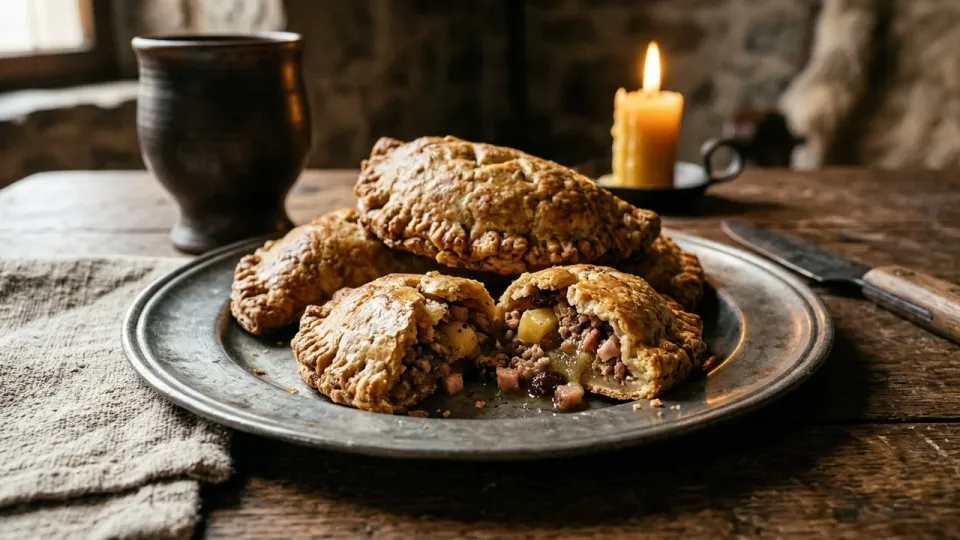
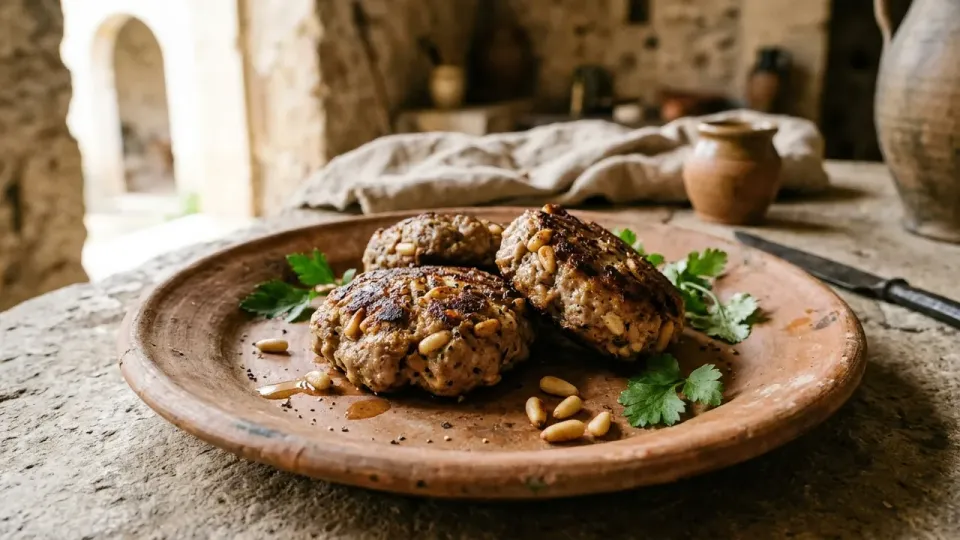
AI recreation of Ancient Roman Isicia Omentata (minced pork patties with pine nuts) served on a rustic terracotta plate.

Ancient Rome (1st–4th c. AD)

Ancient Roman Minced Pork Patties (Isicia Omentata)

Ancient Roman minced pork patties blended with wine-soaked bread, pine nuts, garum, and black pepper. One of the earliest documented ancestors of modern meatballs and burgers.

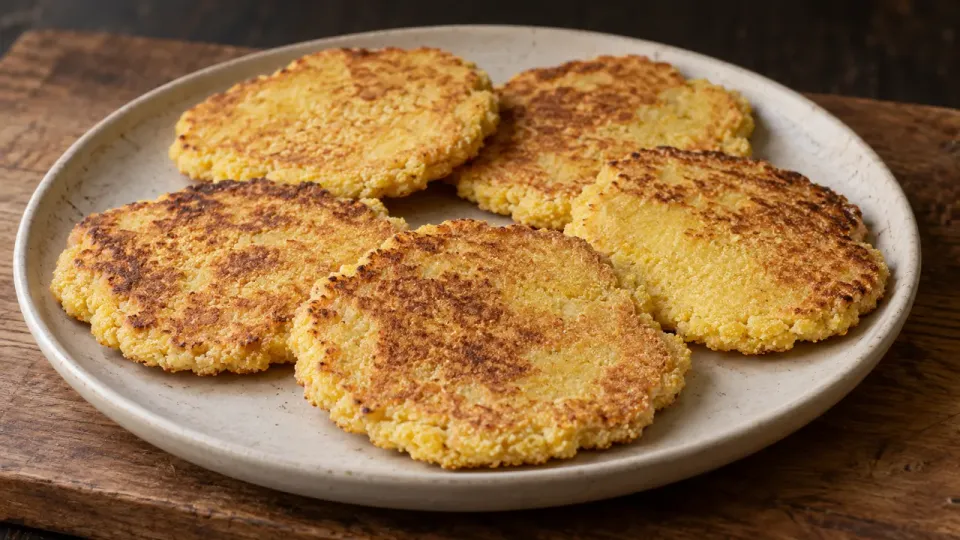
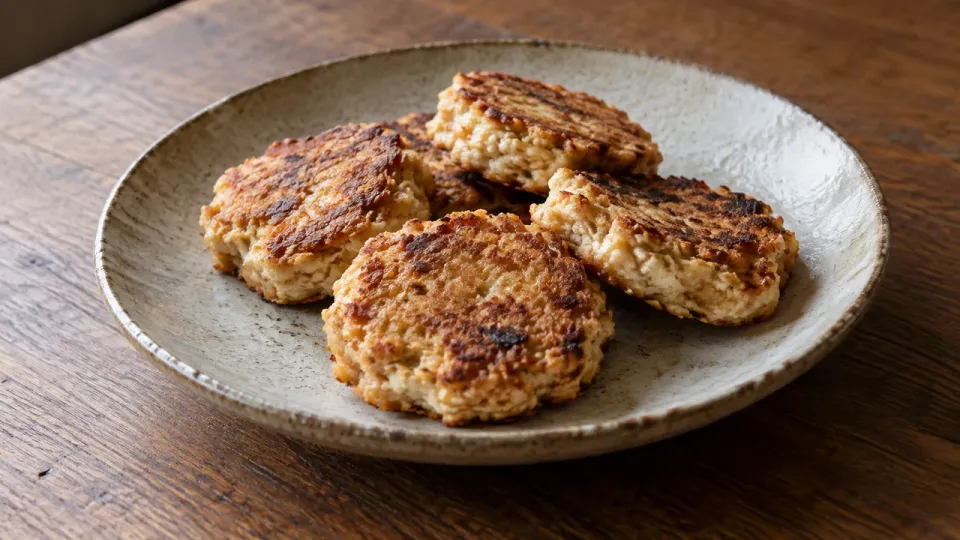
AI-generated modern recreation: rustic golden cornmeal flat cakes

Early American Republic, United States

Johny cake from 1796

Simple cornmeal cakes with a toasted crust. Inspired by Amelia Simmons, this home version binds the meal with warm milk and uses an oven.

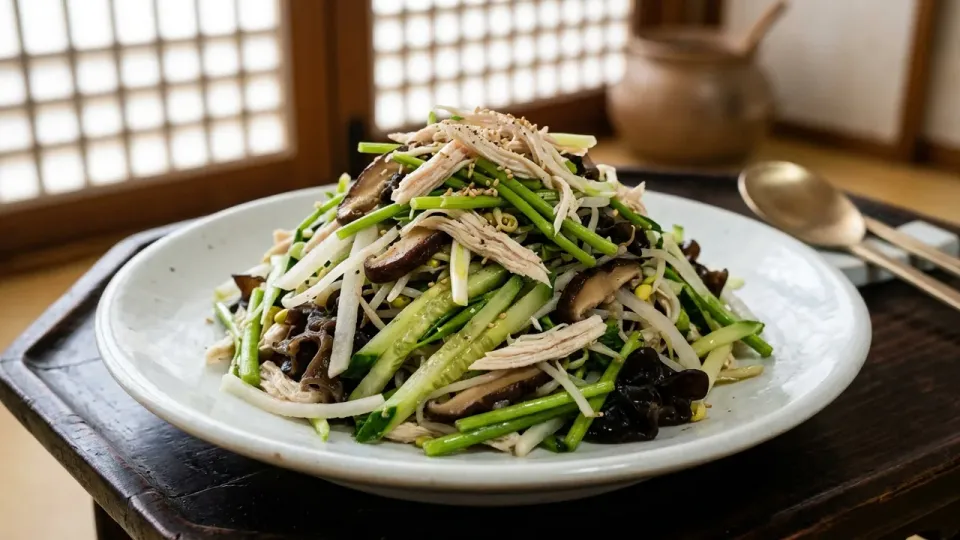
AI-generated recreation image of 17th-century Joseon Japchae: a vibrant mound of individually sautéed cucumbers, daikon, shiitake, wood ear, minari, and shredded chicken in savory glaze on a traditional white porcelain dish

Joseon Dynasty (c. 1670)

17th-Century Joseon Japchae (Mixed Vegetables with Shredded Chicken)

The authentic historical Japchae recorded in Lady Jang Gye-hyang's c. 1670 cookbook Eumsik Dimibang, containing no modern sweet potato glass noodles. Multicolored vegetables, mushrooms, and shredded meat are sautéed individually in sesame oil and soy sauce, then finished with a savory broth and bean paste sauce.

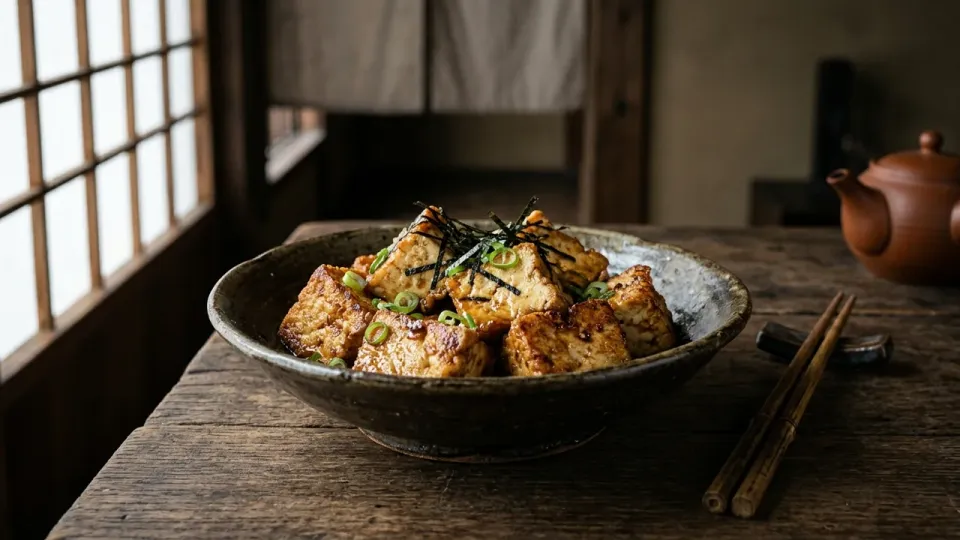
AI-generated modern recreation: Pan-fried torn tofu glazed with sesame soy sauce, topped with scallions and nori

Edo-period tofu dish based on Tōfu Hyakuchin (1782), entry 10

Late-Edo kaminari tofu (sesame-crackle pan-fried tofu)

Firm cotton tofu is torn by hand and seared in hot sesame oil with a crackling sizzle, then glazed with soy sauce and dashi. A comforting dish from late Edo merchant households, recorded in Tōfu Hyakuchin (1782).

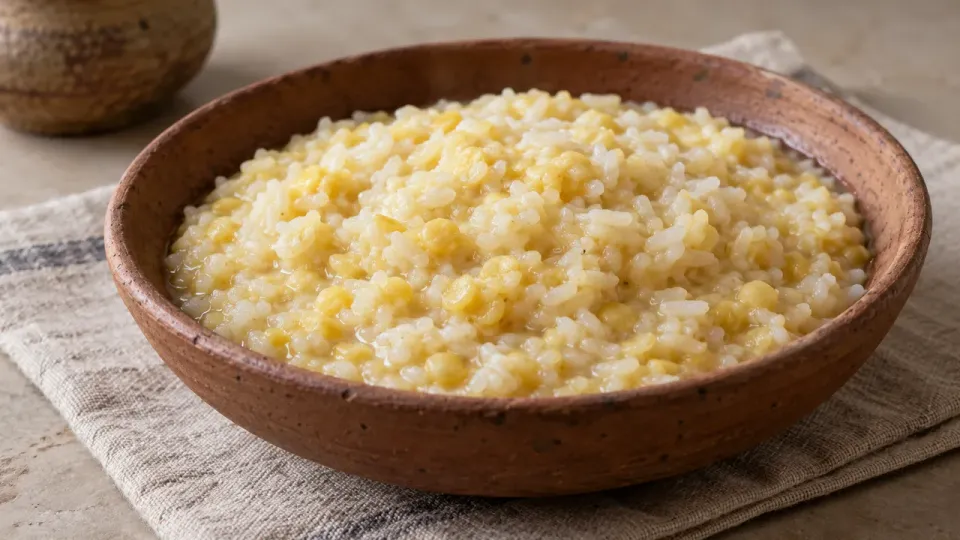
AI-generated modern recreation: pale soft rice and yellow mung bean porridge

Mughal Era, India

Mughal-style khichri

Soft rice and split mung beans with a gentle ghee aroma. This home recipe draws on a Mughal kitchen list while using much less fat.

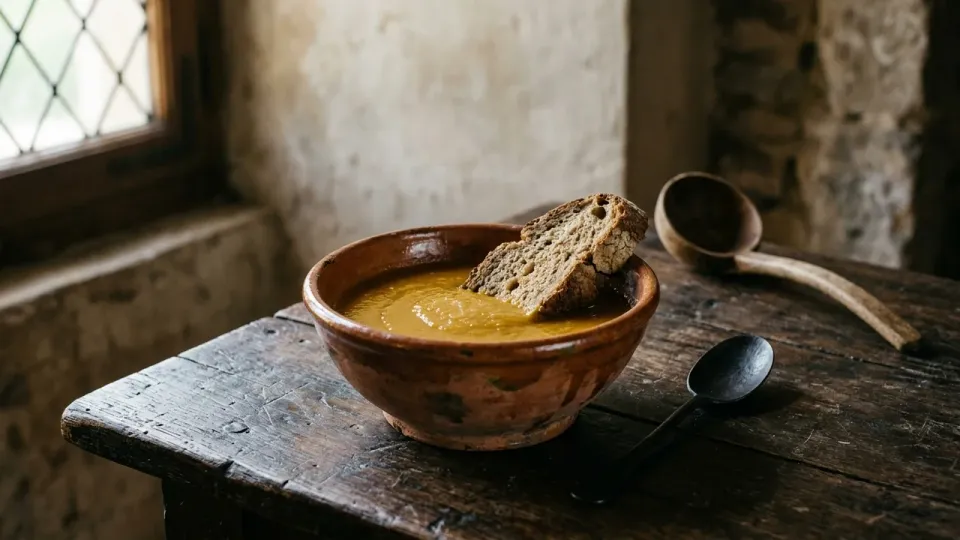
AI-generated recreation image of 1651 French pumpkin potage (Potage de citrouille) after François Pierre de La Varenne: a rustic earthenware bowl of warm golden pureed pumpkin soup with slices of crusty country bread soaking up the savory broth

17th Century (Kingdom of France, Bourbon Dynasty)

1651 Pumpkin Potage with Milk (Potage de citrouille au laict)

A foundational historical pumpkin potage recorded on printed page 156, recipe no. 20 of François Pierre de La Varenne's landmark cookbook 'Le Cuisinier François' (Paris, 1651). Pumpkin is parboiled in salted water, sieved with rich milk, simmered with butter and a whole clove-studded onion, and poured over sliced country bread in the traditional 17th-century 'pain mitonné' style.

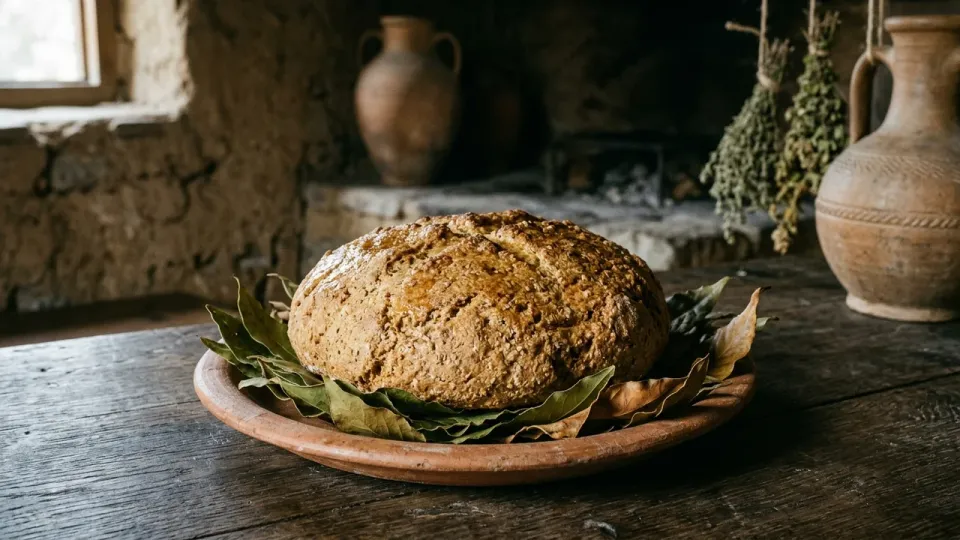
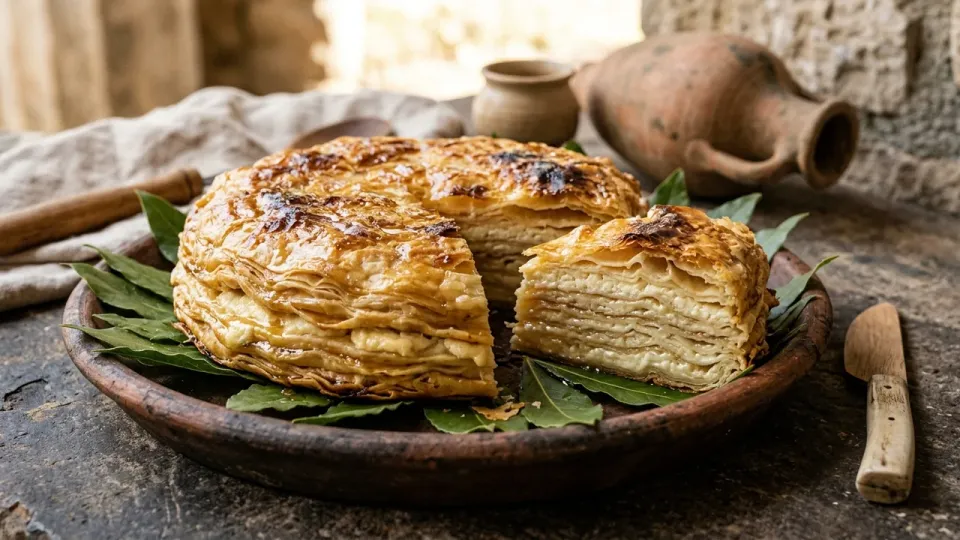
AI-generated modern recreation of Libum: a round hearth-baked rustic cheese bread resting over laurel leaves on a terracotta plate; appearance and setting are conjectural.

Ancient Rome (c. 160 BCE treatise)

Libum — Ancient Roman Cheese Bread

A home adaptation of the cheese, flour and egg bread in Cato's De agri cultura 75. Bay leaves and a modern oven are used here; the leaf species and baking temperature are not specified in that passage.

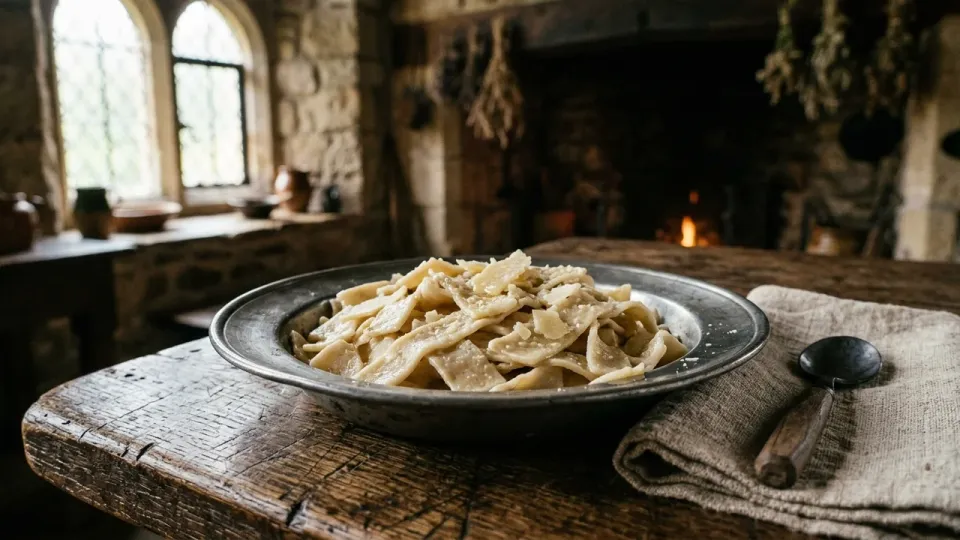
AI-generated recreation image of Macrows: rustic boiled flat wheat dough ribbons layered with grated aged cheese and melting butter in a medieval pewter dish

Late Middle Ages, England

Macrows

A Forme of Cury dish of thin dough boiled and layered with cheese and butter. The work of about 1390 is distinguished from the 1780 edition, and not equated with tubular macaroni.

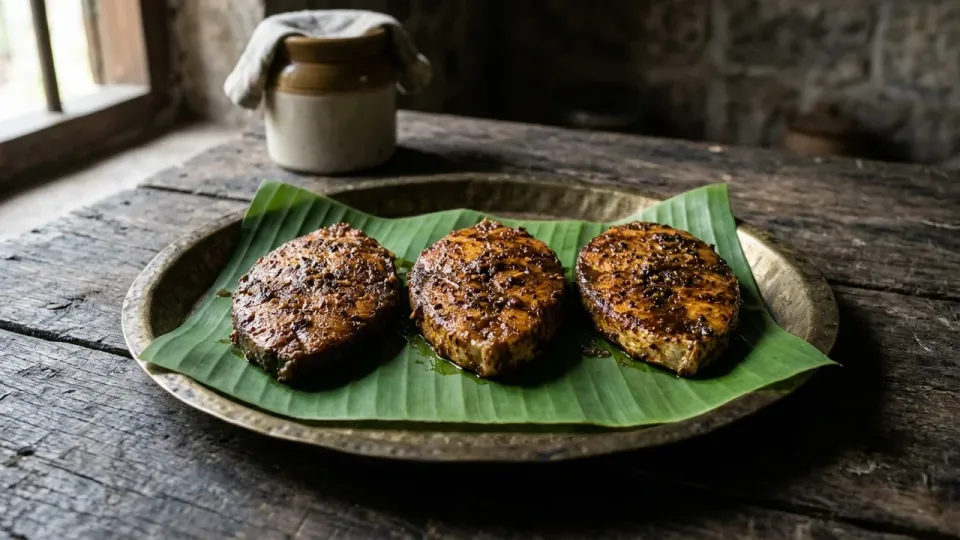
AI-generated modern recreation: Crisp pan-fried spiced fish fillets with tamarind glaze on a brass plate

From the 12th-century Sanskrit encyclopedia Mānasollāsa (Western Chalukya Empire, c. 1129–1131 AD)

Medieval South Indian tamarind fish (Matsya)

Firm white fish fillets are marinated in tangy tamarind, cardamom, black pepper and flour, then pan-fried until crisp and golden. A courtly spiced fish from medieval Karnataka.

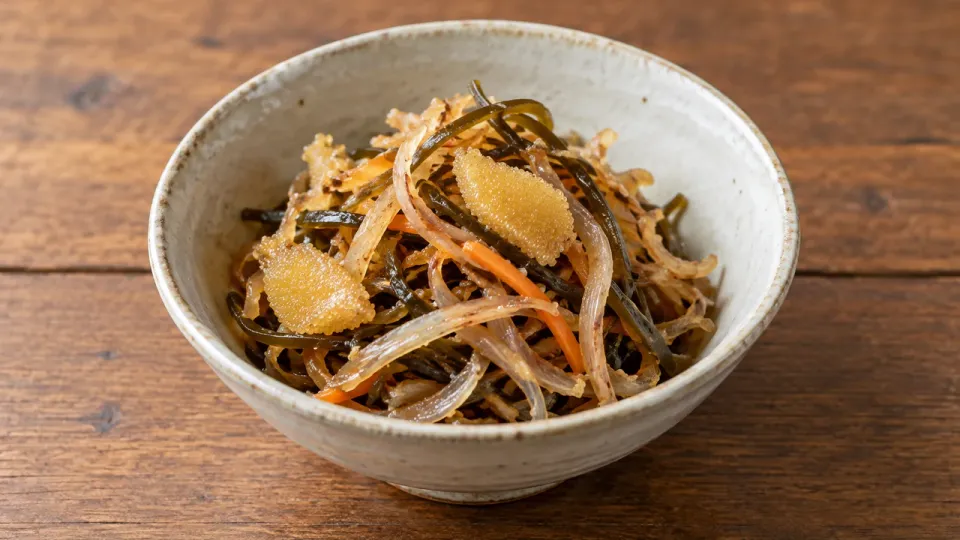
AI-generated modern recreation: Matsumaezuke with kelp, dried squid, herring roe and fine carrot strips

A traditional dish of southern Hokkaido

Matsumaezuke: Hokkaido kelp and squid pickle

Kelp and dried squid meet crisp herring roe in this savory side dish. This short refrigerated version uses ready-to-eat seasoned roe to bring a southern Hokkaido tradition into the home kitchen.

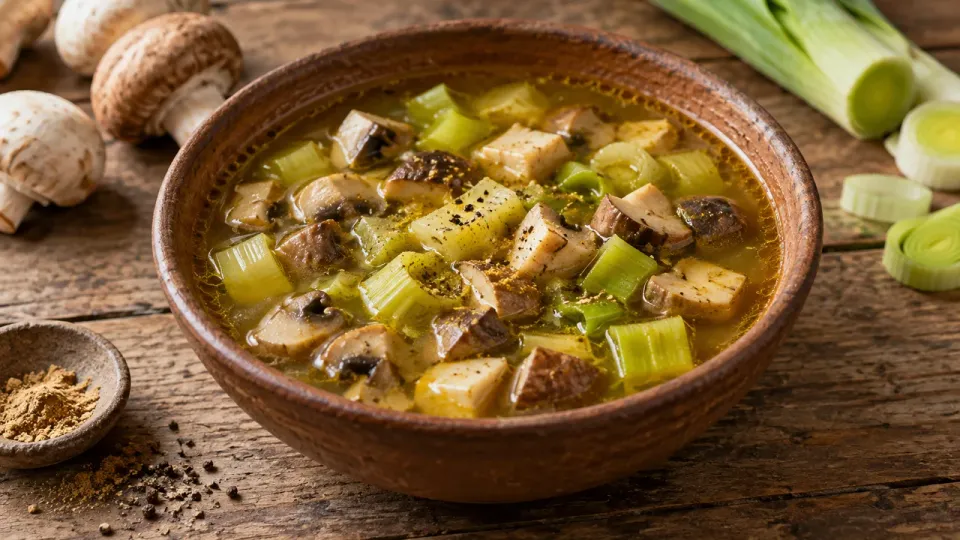
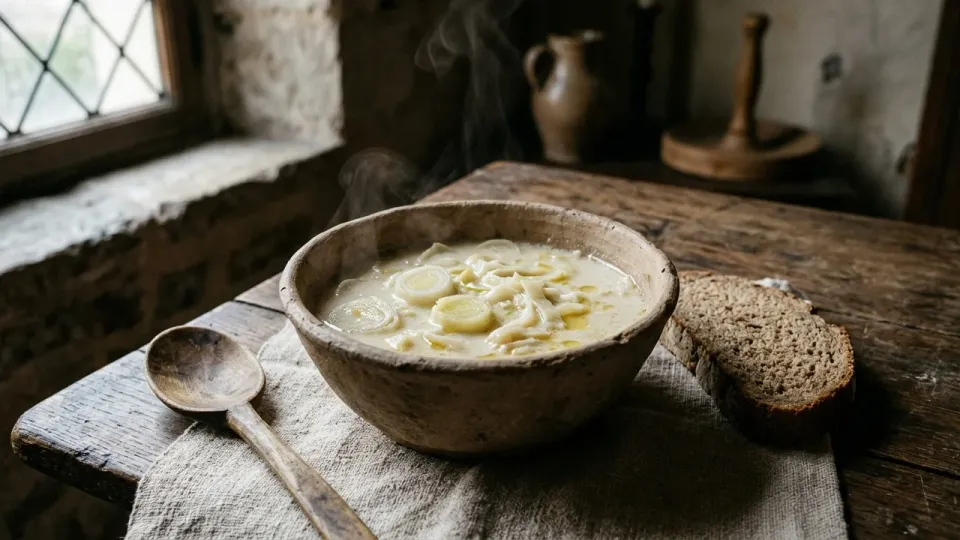
AI-generated modern recreation: Mushrooms and leek in a pale golden broth

Late 14th-century England

Medieval mushrooms and leeks (Funges)

Mushrooms lend their savoury flavour to a pale golden leek and saffron broth. This household reading of medieval Funges uses cultivated button mushrooms and vegetable stock.

AI-generated modern recreation: Warm spiced apple and almond puree served in a medieval-style earthenware bowl

From Das Buoch von guoter Spise (c. 1350), recipe 70 'Ein mandelmus'

14th-century German almond and apple potage (Mandelmus)

Soft white bread is gently simmered in almond milk until thick and velvety, then topped with tender apples browned in butter. A comforting sweet potage from the 14th-century Würzburg manuscript Das Buoch von guoter Spise.

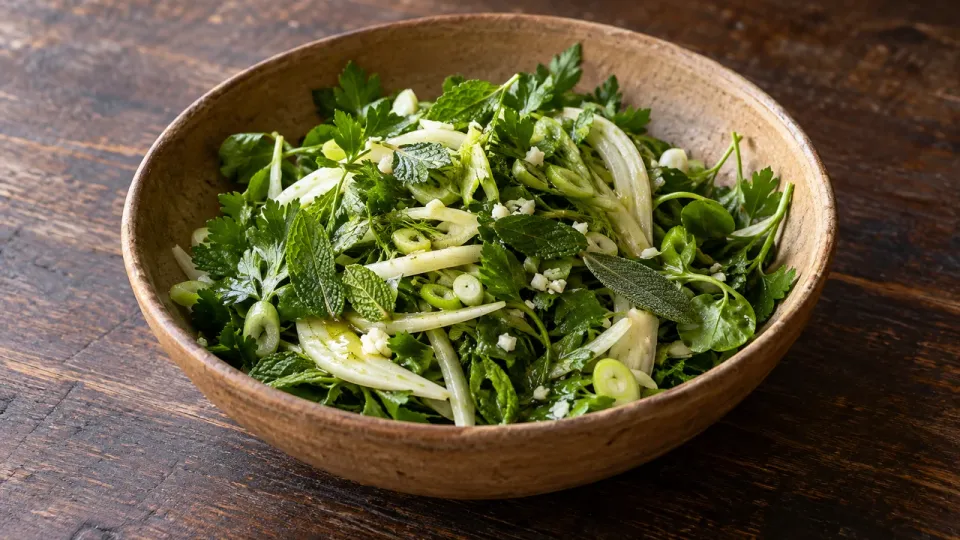
AI-generated modern recreation: green salad of parsley, watercress and thinly sliced fennel

Inspired by a late 14th-century cookbook

Medieval English herb salad (Salat)

Parsley and watercress meet fennel and mint in a lightly dressed herb salad. A selection of accessible ingredients brings a medieval leafy dish to the home table.

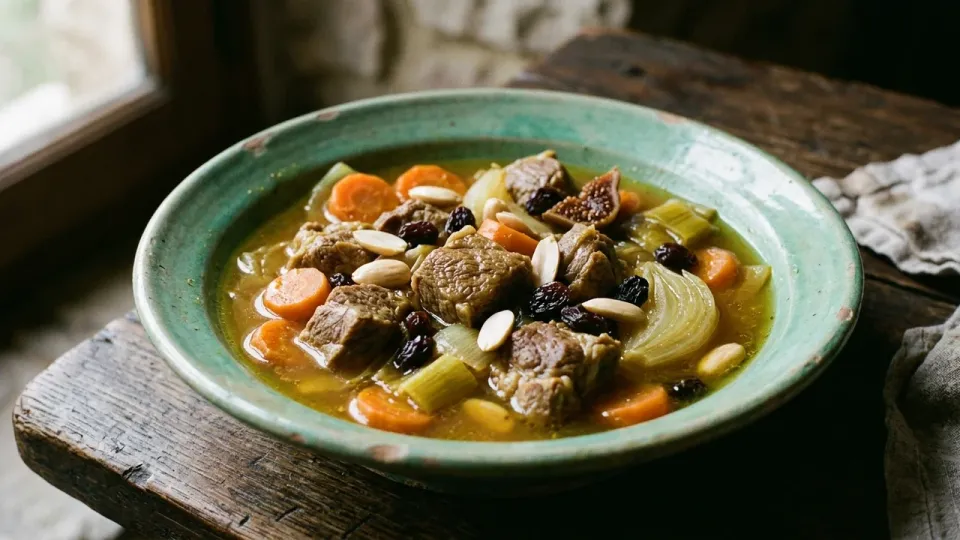
AI-generated recreation image of 13th-century Baghdadi Sikbaj: tender lamb stewed with carrots, onions, and leeks in a golden saffron broth, garnished with almonds, raisins, and dried figs in a rustic glazed earthenware bowl

Abbasid Baghdad (1226)

Medieval Baghdadi Sikbaj

The premier dish opening the 1226 Baghdadi culinary manual 'Kitāb al-Ṭabīkh'. Tender lamb simmered in a sweet-and-sour broth of wine vinegar and date syrup (or honey), featuring saffron, carrots, dried figs, raisins, almonds, and the floral fragrance of rose water from the Islamic Golden Age in this modern home adaptation.

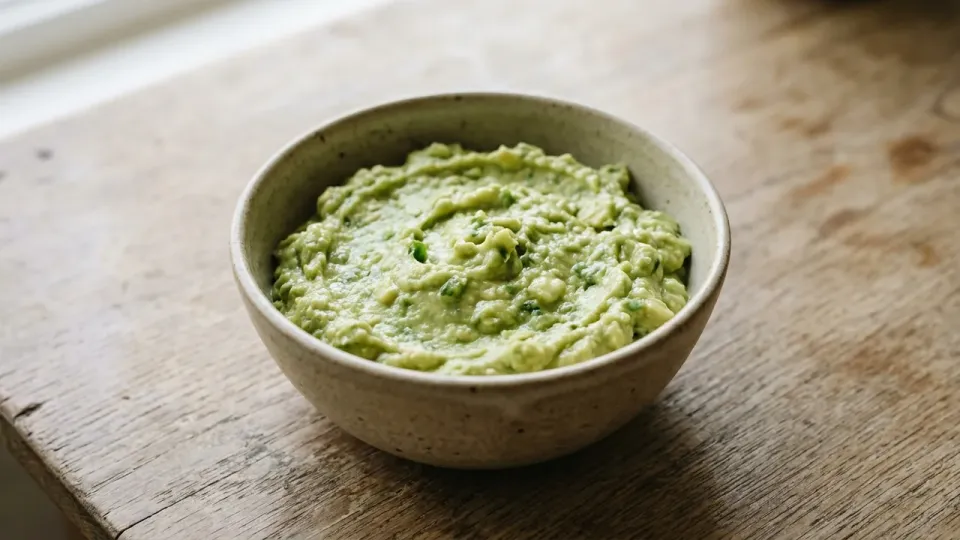
AI-generated recreation image of 1831 Mexican avocado sauce (De aguacate) after El cocinero mexicano: freshly mashed pale-green avocado sauce with finely chopped green chili in a rustic ceramic bowl

1831

Mexican Avocado Sauce from 1831 — De aguacate

An authentic, rustic avocado sauce documented in 'El cocinero mexicano' (1831), an early cookbook published in independent Mexico. Peeled ripe avocado is ground with green chili, thinned with a little water, and salted only at the moment of serving to prevent darkening.

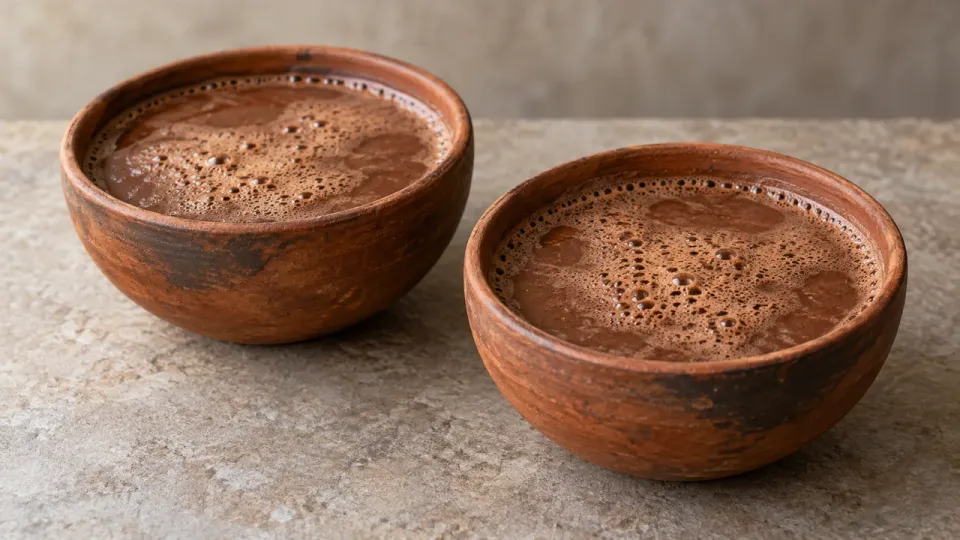
AI-generated modern recreation of frothy brown cacao drink in two plain bowls

A 16th-century central Mexican account

Frothed cacao inspired by 16th-century Mexico

Cacao and water make an aromatic, bitter drink. A description of a cacao-drink seller in the Florentine Codex inspires this version, using modern cacao mass and a whisk to make a light froth.

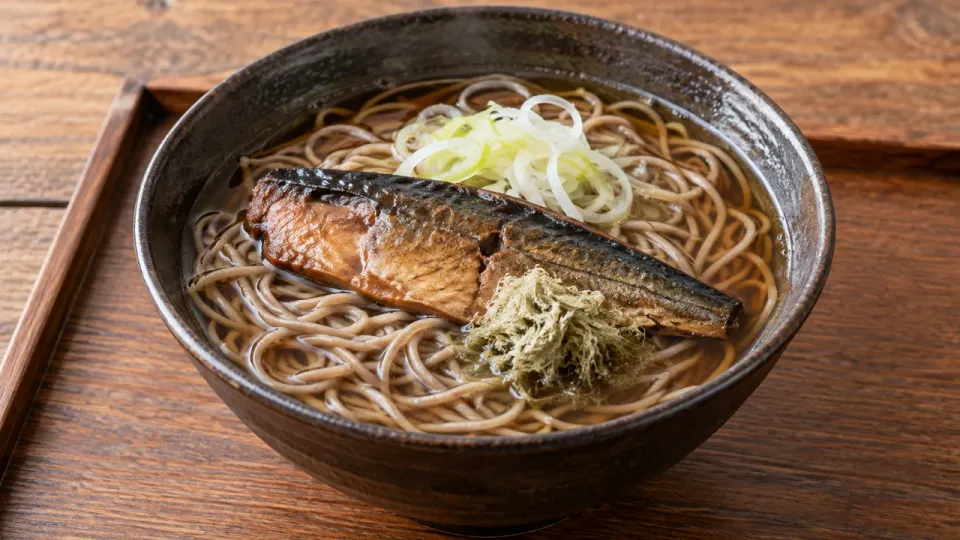
AI-generated modern recreation: hot soba with cooked sweet herring, onion and tororo kombu

Hokkaido heritage dish; origin year unspecified

Hokkaido nishin soba with sweet-simmered herring

Warm soba noodles carry sweet-savoury herring, sliced onion and tororo kombu. This household version draws on Hokkaido tradition and uses ready-cooked herring.

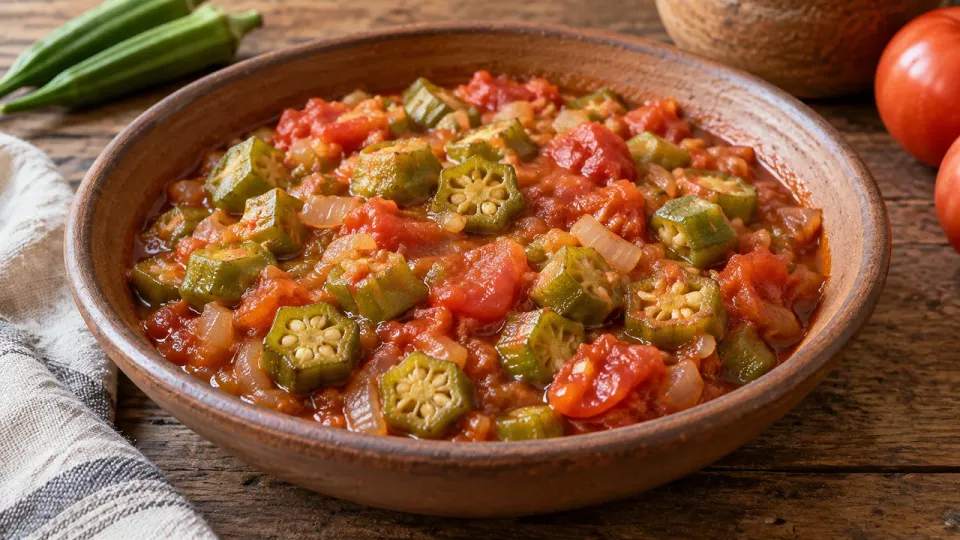
AI-generated modern recreation: Sliced okra in a red tomato stew

From a US cookbook with a title dated 1860

Randolph’s okra and tomatoes

Equal amounts of okra and tomatoes slowly soften with onion and butter. Inspired by Randolph’s cookbook, this side dish cooks in the vegetables’ own juices without added water.

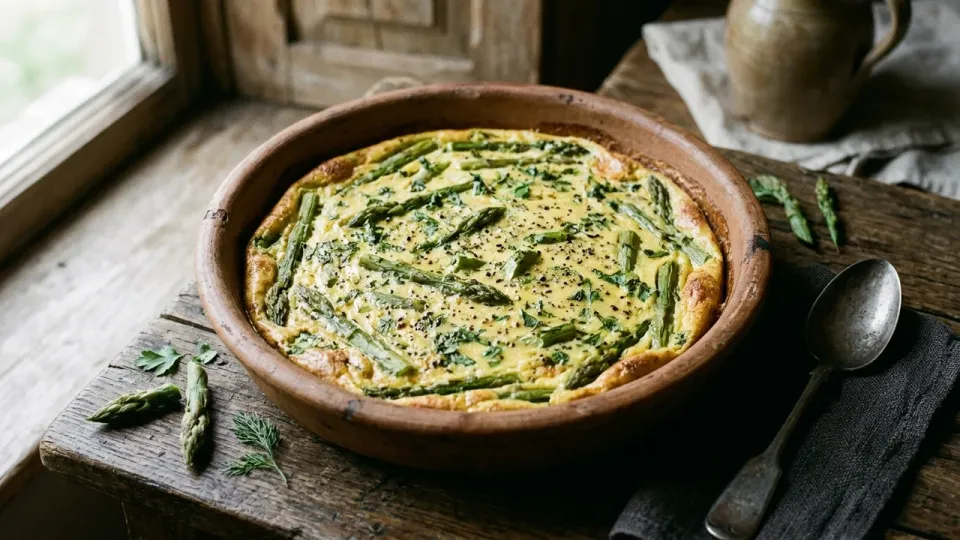
AI-generated modern recreation: Baked asparagus and herb savory custard in a shallow terracotta dish

From Apicius, De re coquinaria Book IV, Chapter 2 (Imperial Rome)

Ancient Roman asparagus patina (baked herb custard)

Tender asparagus combines with beaten eggs, white wine, fish sauce, coriander and black pepper, baked gently in an earthenware dish. A fragrant vegetable custard from the Roman collection Apicius.

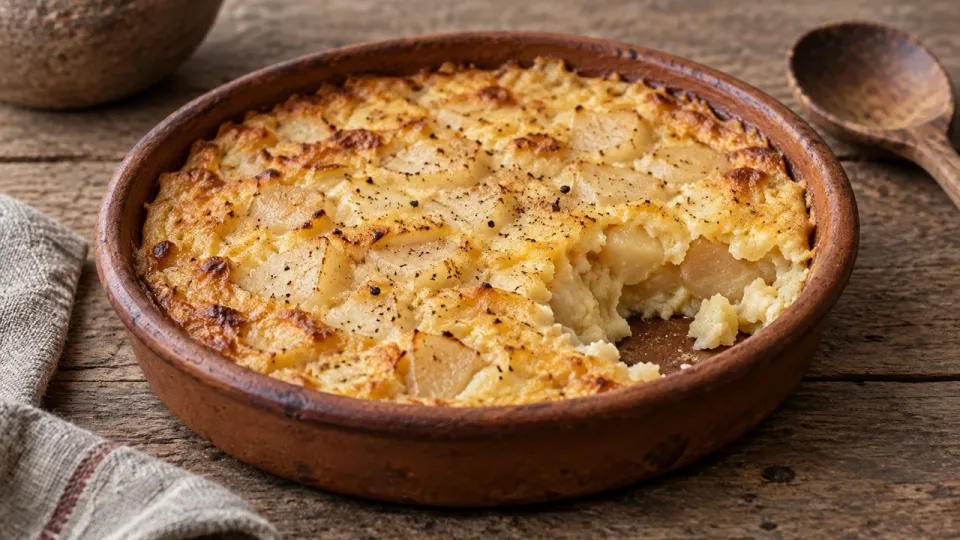
AI-generated modern recreation: baked pear and egg patina in a shallow earthenware dish

Inspired by a late antique recipe collection

Roman pear patina

Soft pears and eggs bake into a tender dish scented with cumin and pepper. Honey and a little fish sauce bring together sweet and savoury flavours in a home-oven version of a Roman patina.

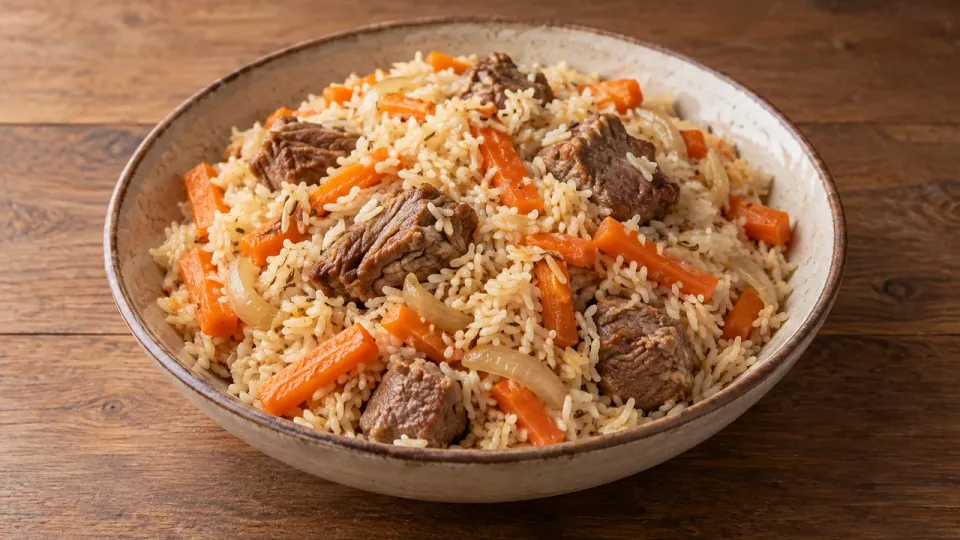
AI-generated modern home-recreation image of long-grain plov with lamb, carrots and onions served in a bowl.

A living food tradition; informed by documentation associated with Uzbekistan's 2016 UNESCO inscription

Central Asian Plov with Lamb and Carrots

Rice layered over lamb, carrots and onions, scented with cumin: a plov for 3 inspired by Uzbek food culture and adapted for a modern home kitchen.

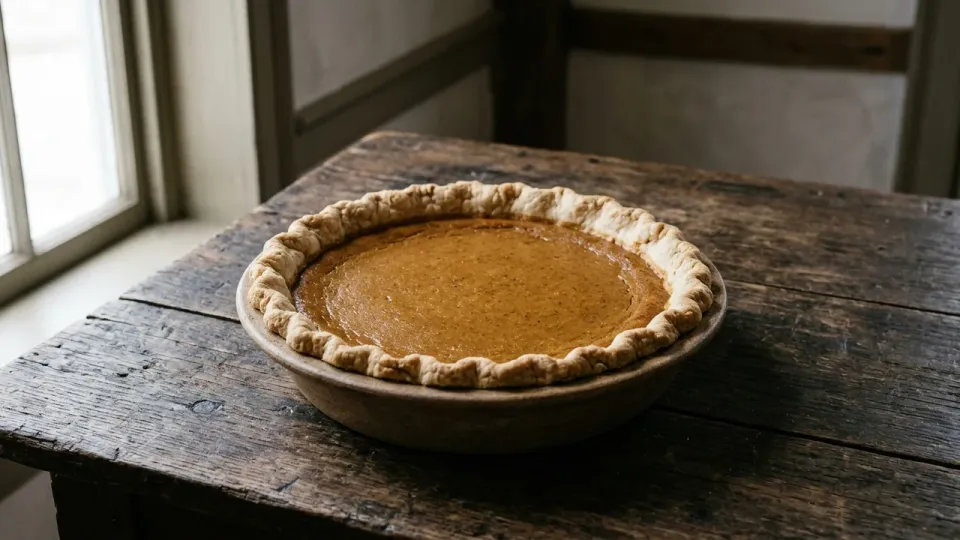
AI-generated recreation image of an unadorned, open-faced 1796 American pumpkin pie (Pompkin No. 2) in a rustic earthenware dish, with natural golden-brown crust and spiced custard filling

Late 18th century (1796, United States)

1796 Pumpkin Pie (Pompkin No. 2)

An early American pumpkin pie recorded in Amelia Simmons's landmark 1796 cookbook 'American Cookery', flavored with molasses, ginger, and allspice rather than refined white sugar. A home-kitchen adaptation of the historic custard pie for modern baking tins.

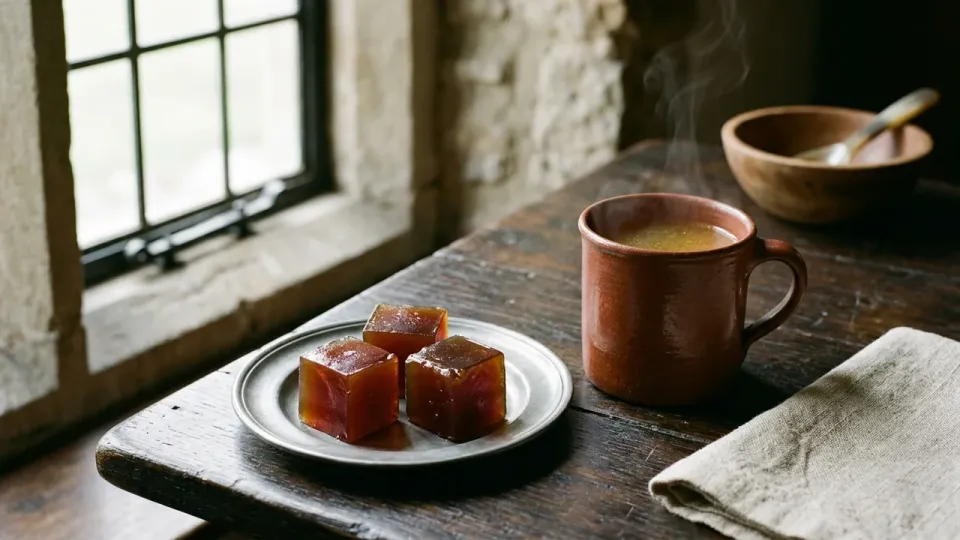
AI-generated modern recreation of amber concentrated-stock cubes and a cup of soup. Cube shape, tableware and setting are modern illustration.

18th-century England (drawing on Glasse’s 1747 recipe)

Portable Soup — Modern Frozen Stock

A concentrated stock made with 500g beef, inspired by Hannah Glasse’s recipe. This home adaptation uses frozen storage in place of the historical room-temperature drying process.

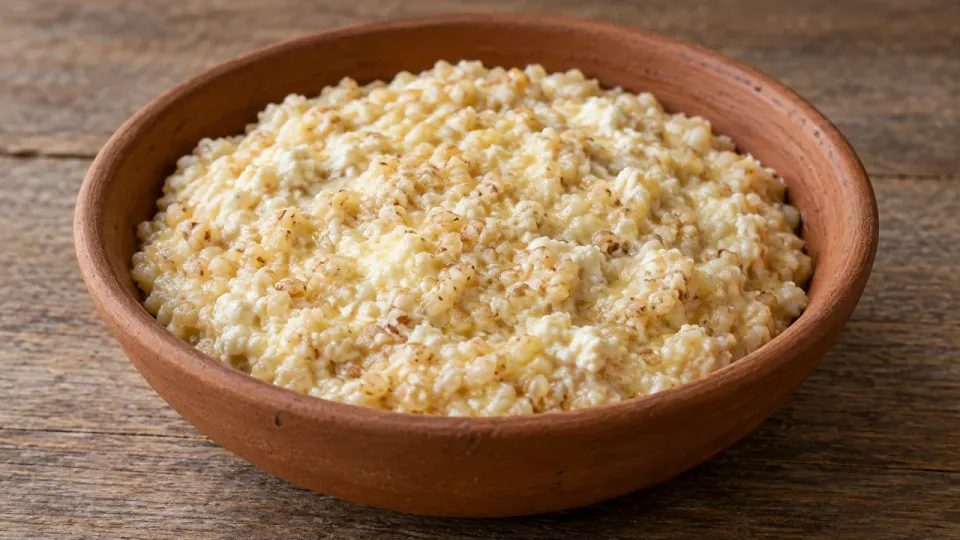
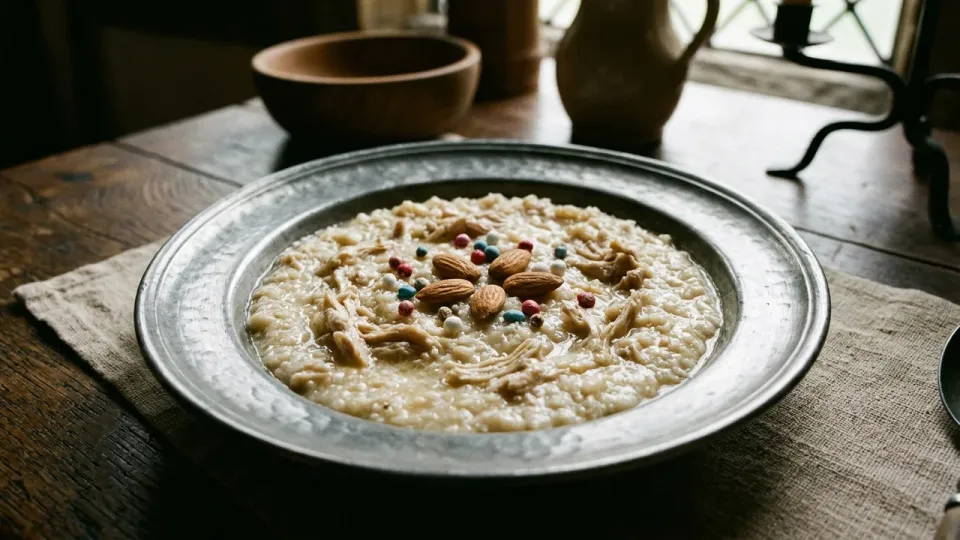
AI-generated modern recreation of pale wheat-grain and cheese porridge in an earthenware bowl

A Roman account from the 2nd century BCE

Punic cheese and grain porridge (Puls Punica)

Tender wheat grains, ricotta and honey make a gently sweet porridge. Cato’s On Agriculture, section 85, provides the starting point for this modern home version made with simmered bulgur.

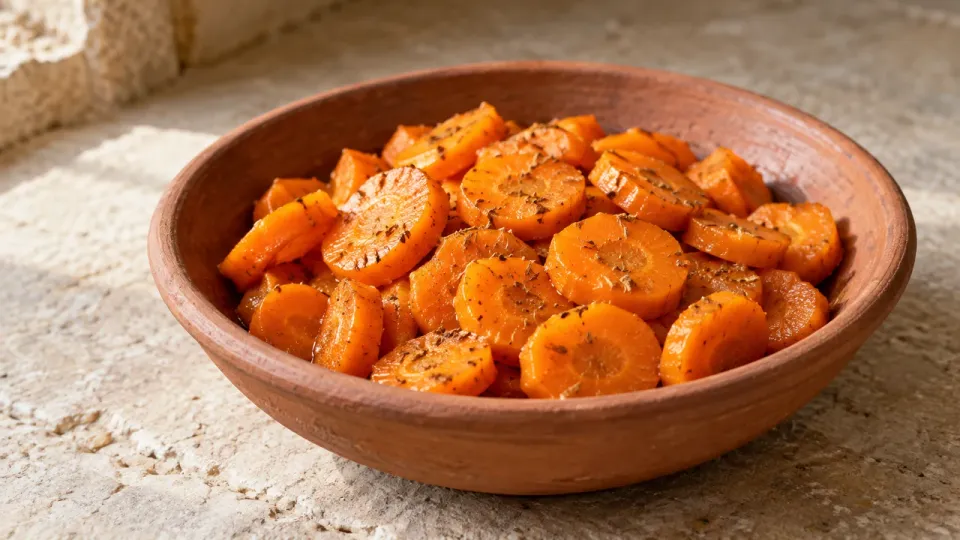
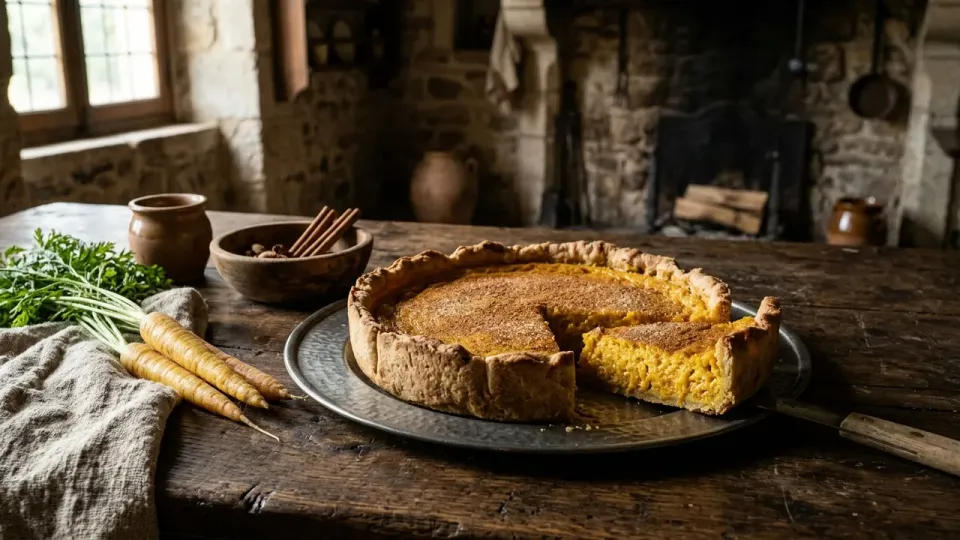
AI-generated modern recreation: orange carrot rounds coated with cumin

Inspired by a late Roman recipe collection

Roman-style carrots with cumin

Tender carrot slices coated with cumin and olive oil make an aromatic side dish. This home-pot version takes its cue from a short recipe in Apicius.

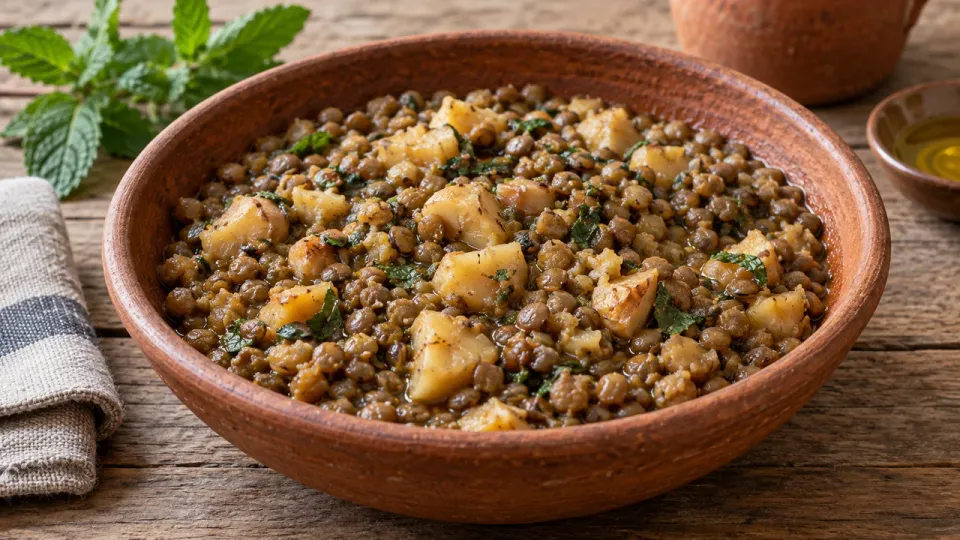
AI-generated modern recreation: Chestnut pieces and lentils in an earthenware bowl

Inspired by a late antique recipe collection

Roman-inspired lentils and chestnuts

Tender lentils and soft chestnuts meet vinegar, honey and cumin. This household stew interprets the Apician chestnut recipe and its title, cooking the lentils separately before combining them.

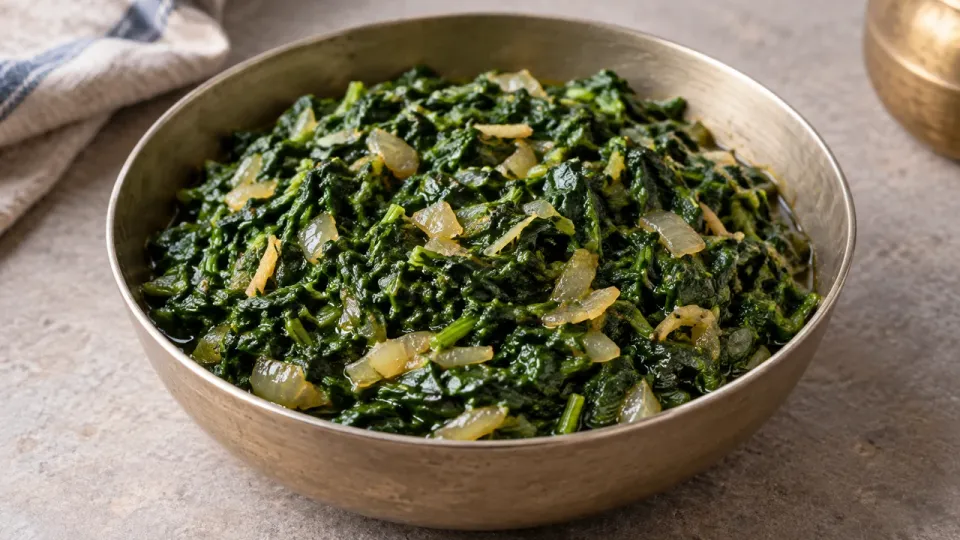
AI-generated modern recreation: coarsely chopped spinach cooked with onion and ginger

Inspired by a late-16th-century court record

Mughal-style sag: spiced spinach

Spinach, onion and ginger simmer with ghee and warm spices. This home-sized dish takes its ingredient cues from a Mughal court account.

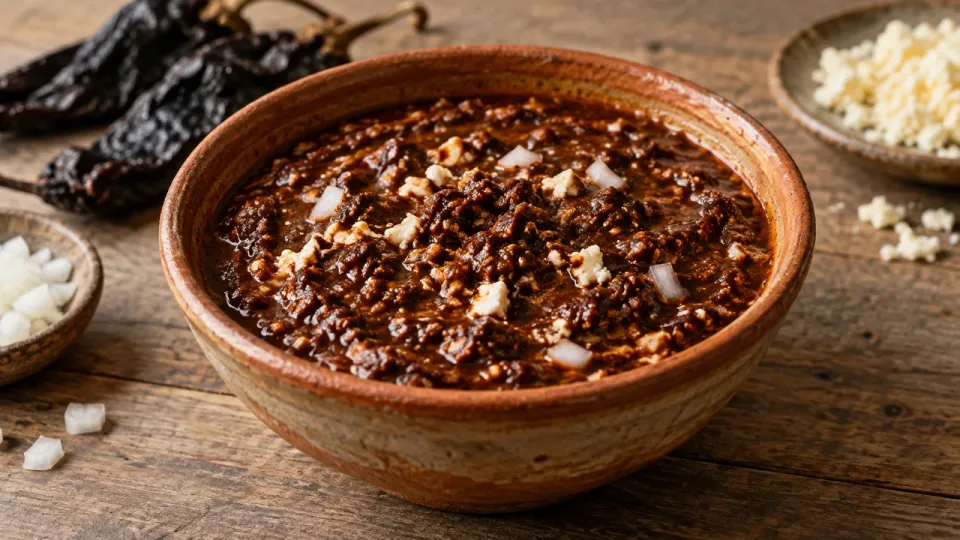
AI-generated modern recreation: red-brown dried-chile sauce mixed with onion and aged cheese

From an early post-independence Mexican cookbook

Chile macho sauce inspired by 1831 Mexico

A rich dried-chile sauce combining ancho and pasilla with onion and aged cheese. This home version replaces the historical pulque with water.

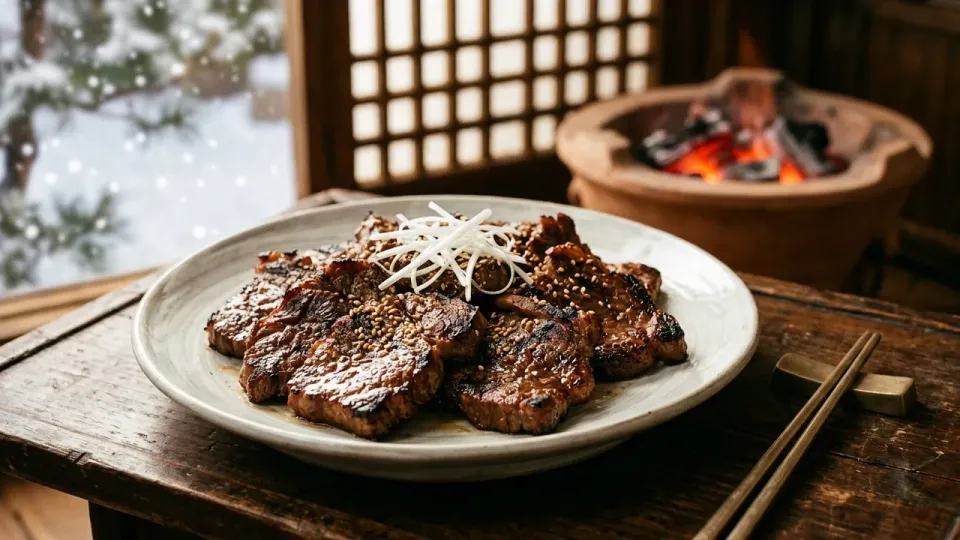
AI recreation of early 18th-century Joseon Dynasty Seolhamyeokjeok / Seolyamyeok (marinated tenderized beef) on a ceramic platter with scallions.

Late Joseon Dynasty (c. 1715 Sallim Gyeongje)

Joseon Seolyamyeok / Seolhamyeokjeok (c. 1715 Sallim Gyeongje)

Tenderized beef marinated in sesame oil and savory seasonings, repeatedly seared and rested to achieve profound tenderness in 18th-century Korea. The historical cold-water quenching technique is safely adapted into domestic pan-resting.

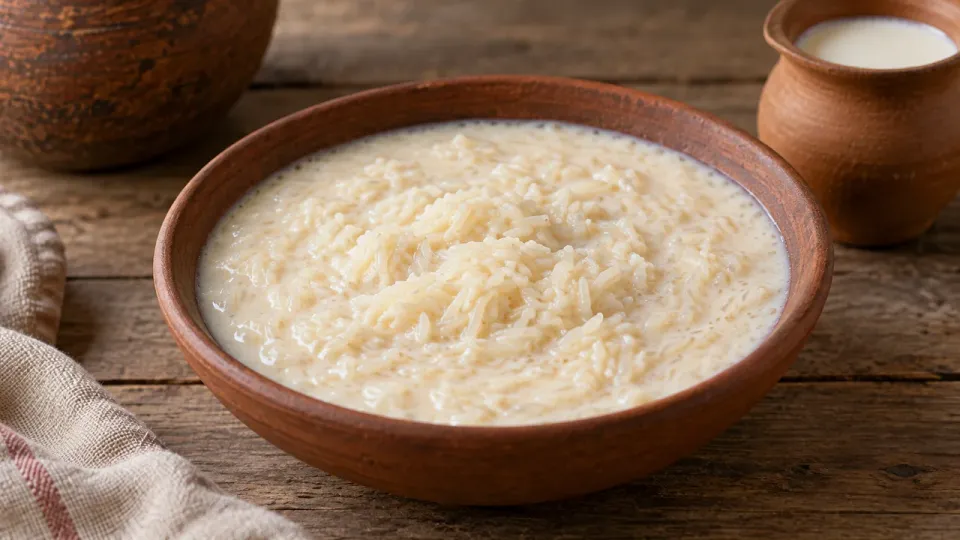
AI-generated modern recreation: Plain white milk-and-rice pudding in an earthenware bowl

From a late 16th-century Mughal record

Mughal shirbirinj: rice in milk

Rice slowly simmered in milk makes a softly sweet pudding. The milk, rice, sugar and salt listed in Akbar’s court record become a simple household dish without extra garnishes.

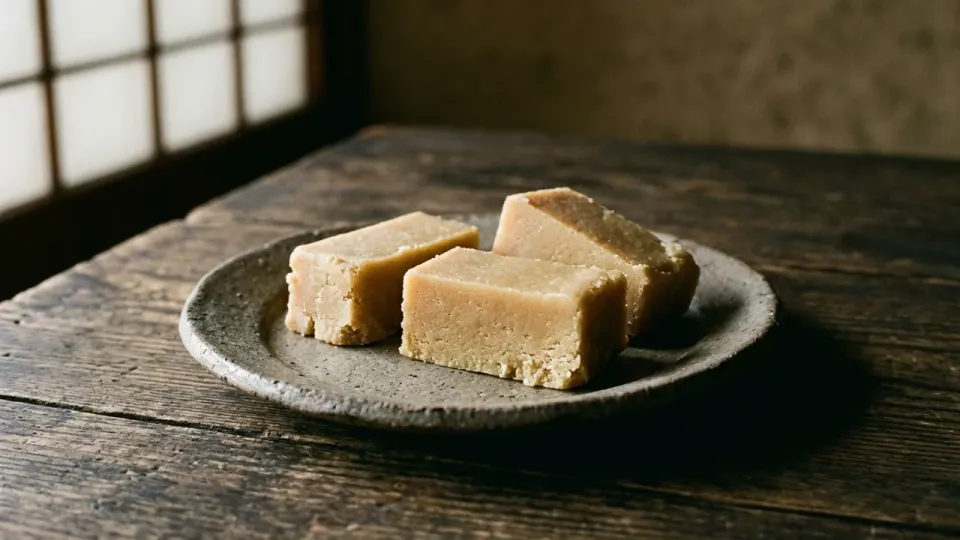
AI-generated modern recreation of So: pale brown condensed-milk blocks on a pottery plate; shape and setting are conjectural.

Heian period (Engishiki compiled in 927 CE)

So — a Heian-period Japanese dairy preparation

So is a historical Japanese dairy preparation made by slowly reducing milk. This home adaptation draws on the brief account in the Engishiki, distinguishing it from later interpretations and modern cooking methods.

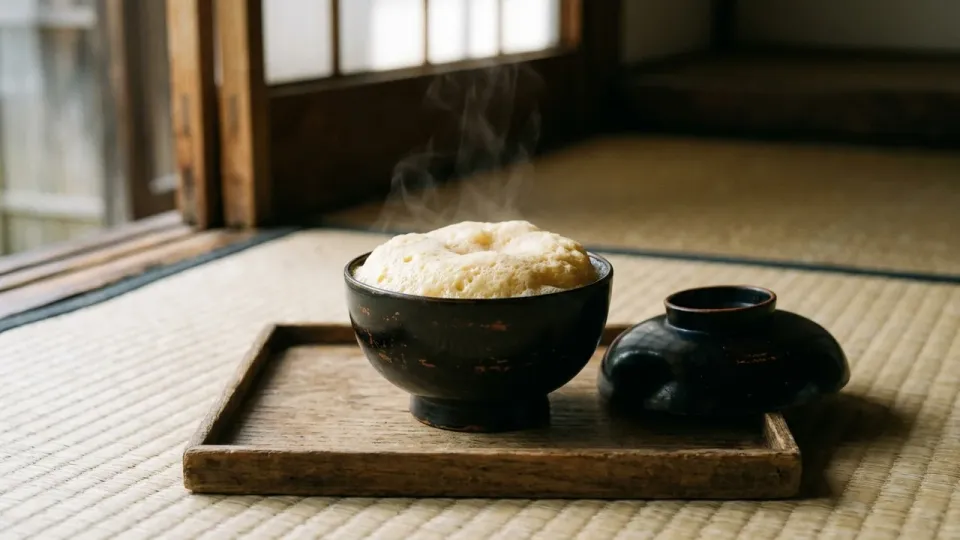
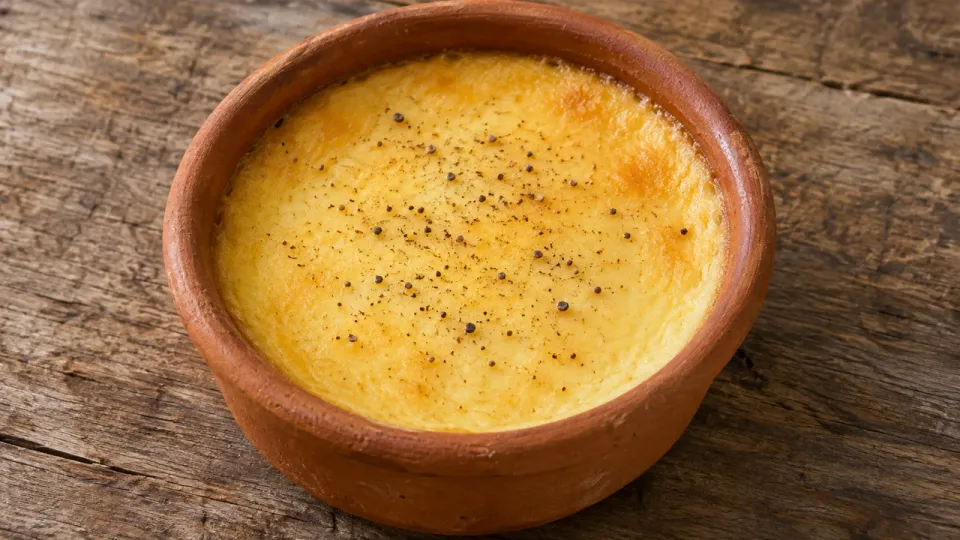
AI-generated recreation image of Tamago Fuwafuwa: gently steamed, airy cloud-like egg custard in an antique dark lacquer bowl on a plain wooden tray in an Edo-period setting

Edo Period, Japan

Tamago Fuwafuwa

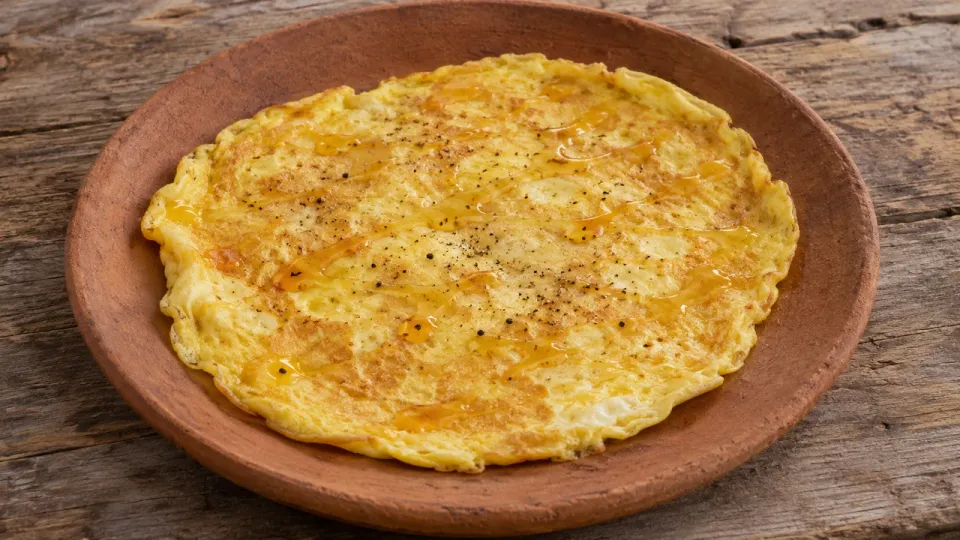
An account of Tamago Fuwafuwa in a 1915 transcription of Ryori Monogatari. Uncertain dashitamari and heating methods are separated from a steamed modern version that omits irizake.

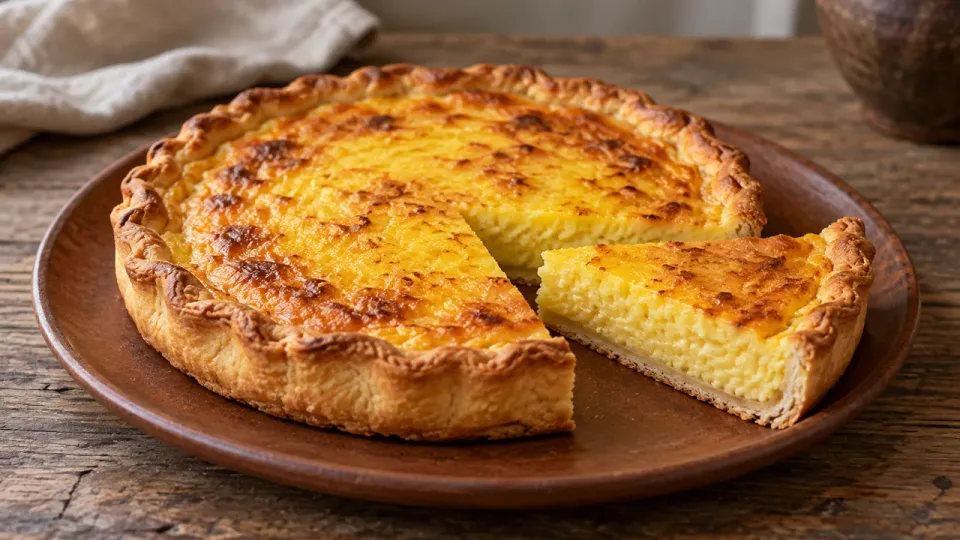
AI-generated modern recreation of a golden cheese tart with a cut wedge on a plain plate

Late 14th-century England

Medieval cheese tart (Tart de Bry)

Egg yolks and cheese meet ginger and saffron in this gently sweet tart. A recipe from around 1390 provides the starting point; Gouda and a domestic oven make this a practical modern adaptation.

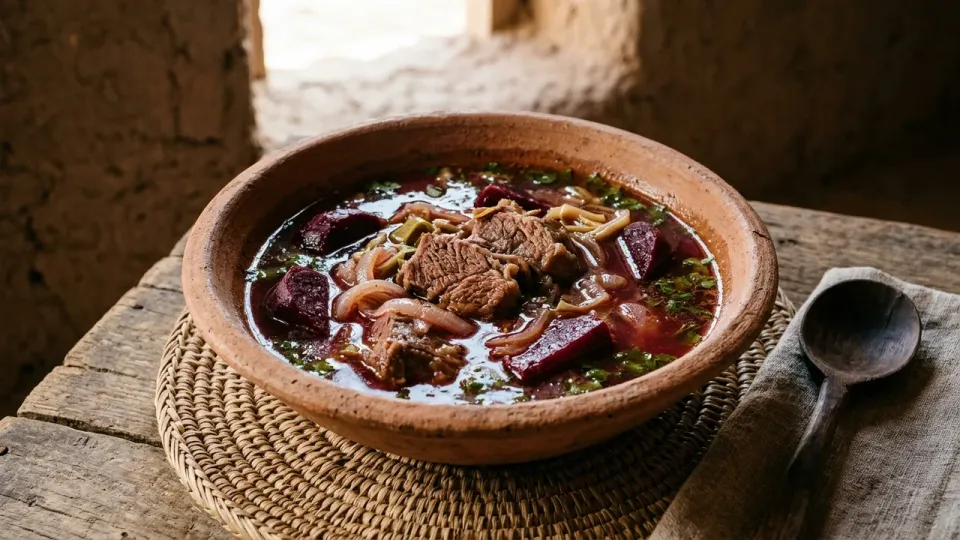
AI-generated modern recreation of Tuh'u: lamb, beet and alliums in red broth in an earthenware-style bowl; vessel and setting are conjectural.

Old Babylonian period (tablet: c. 1750 BCE)

Tuh'u — beet and lamb stew

A modern home adaptation for 2–3 servings of beet and lamb stew informed by an Old Babylonian account. Ancient ingredient identifications remain uncertain; modern lamb, beets and beer are not treated as identical to ancient foods.

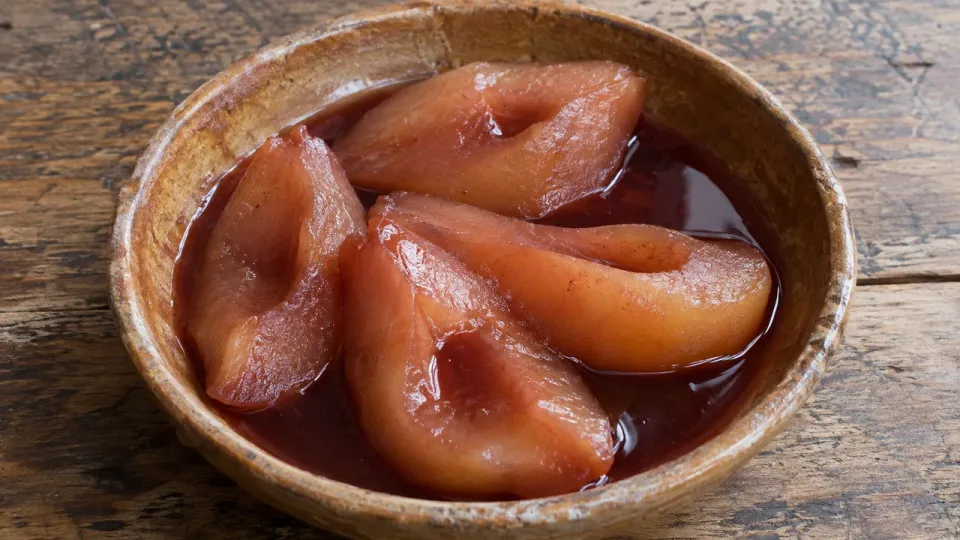
AI-generated modern recreation: peeled, cored pears in wine syrup

Fifteenth-century England, Harleian MS 279 recipe x

Warden-style pears in wine syrup

Tender pears are coated in a sweet-tart wine syrup scented with cinnamon and ginger.

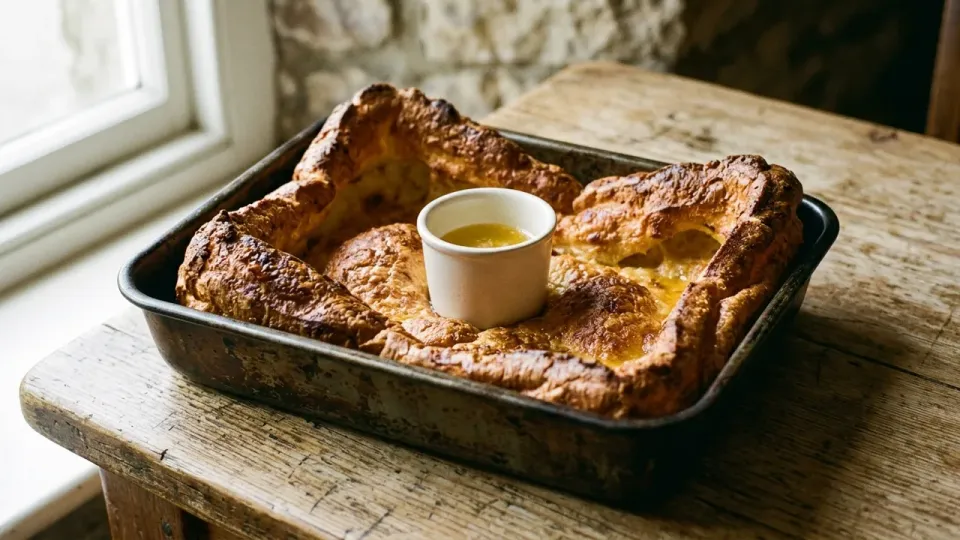
AI-generated recreation image of Yorkshire pudding: one unevenly risen, unevenly browned pudding in a well-used metal baking tin on a wooden table, with a plain cup of melted butter set in the middle

England, 18th century (1774 edition)

Yorkshire Pudding (Hannah Glasse, The Art of Cookery, 1774 edition)

Based on "A Yorkshire pudding" in Hannah Glasse's 18th-century English cookbook The Art of Cookery Made Plain and Easy (1774 edition), this article covers a batter of milk, eggs, flour and salt baked in meat dripping. It separates the documented method from the quantities and times set for a modern oven.

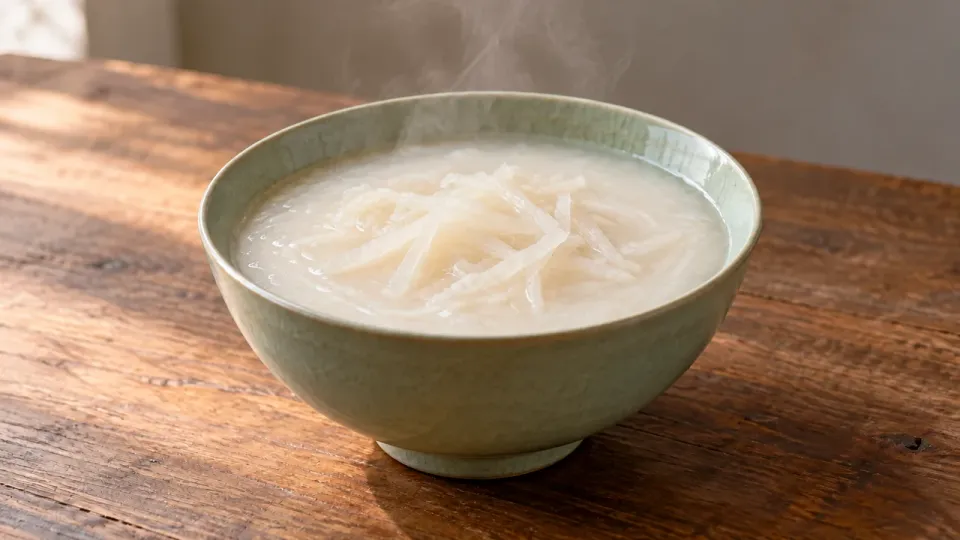
AI-generated modern recreation: white rice-flour porridge with visible fine radish shreds

Inspired by the Southern Song Shanjia Qinggong

Yu san geng: radish and rice porridge

A softly thickened white porridge with the gentle sweetness of radish. This simple home version draws on Yu san geng in Shanjia Qinggong.

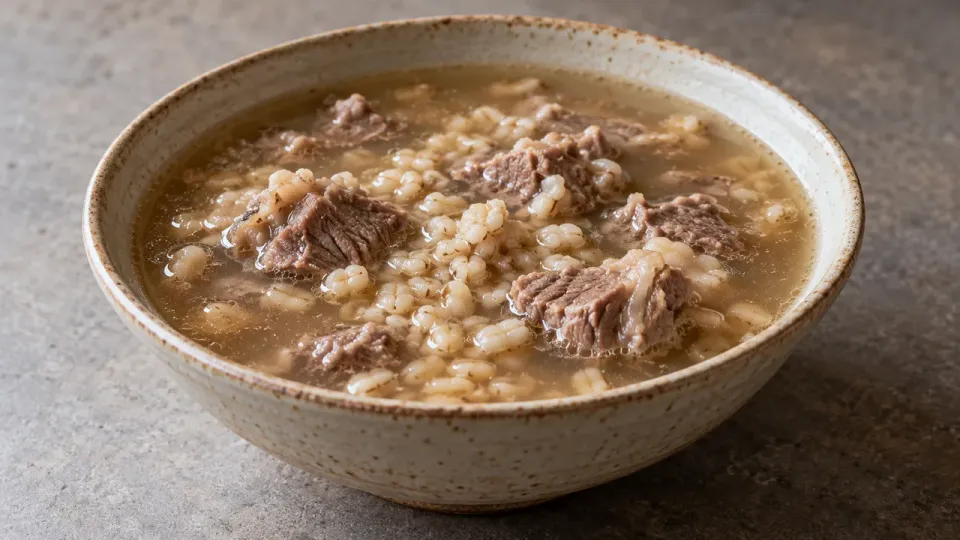
AI-generated modern recreation: pale brown soup with visible lamb and barley

Period unspecified, China

Yuan-era lamb and barley soup

A gentle lamb broth with barley and a subtle tsaoko aroma. This home-pot version draws on Da Mai Tang in the 1330 dietary text Yinshan Zhengyao.

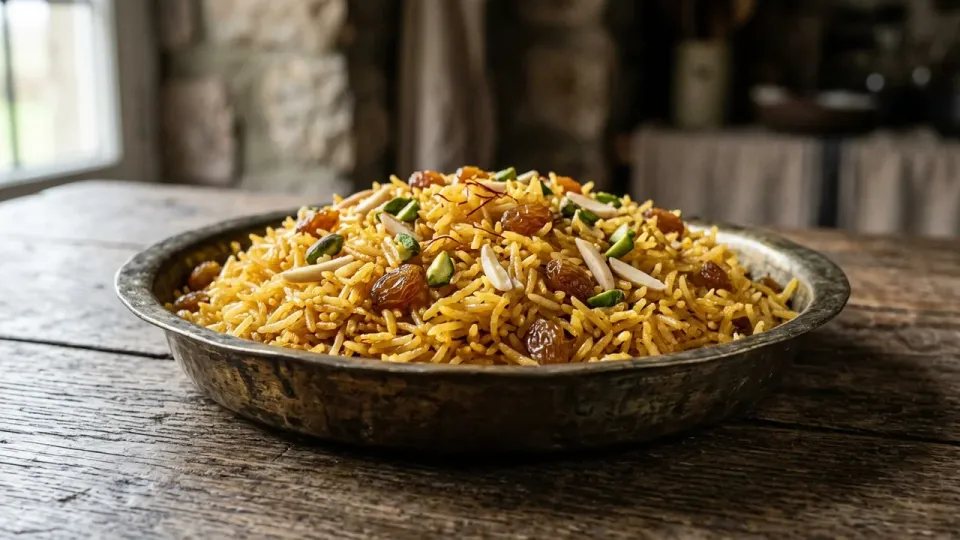
AI-generated recreation image of Zard Birinj: golden saffron sweet rice served in a rustic metal dish, naturally garnished with raisins, sliced almonds, and pistachios

Mughal Era (Late 16th century, estimated c. 1590)

Zard Birinj — Mughal Saffron Sweet Rice

A sweet saffron rice dish with ingredient proportions recorded in the late 16th-century Mughal imperial record 'Ā'īn-i Akbarī'. This modern home adaptation draws on the courtly meatless preparation (sūfiyāna) made with saffron, clarified butter (ghee), dry fruits, and delicate spices.

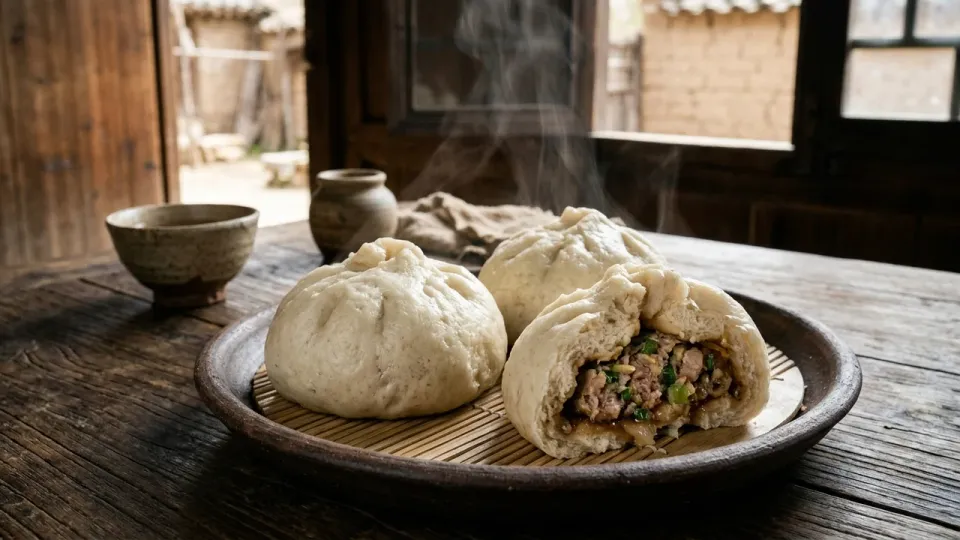
AI recreation of freshly steamed meat mantou served on a shallow dish with a bamboo mat, with gentle steam and a rustic wooden table.

Song urban food culture and Zhuge Liang origin legend (from Shiwu Jiyuan, Dongjing Menghualu)

Zhuge Liang's mantou (Song-style steamed pork bun)

Tender leavened wheat dough encasing seasoned pork with ginger and soy sauce, steamed until thoroughly cooked. Inspired by Song urban food stalls and the legendary origin tale recorded in Northern Song texts.

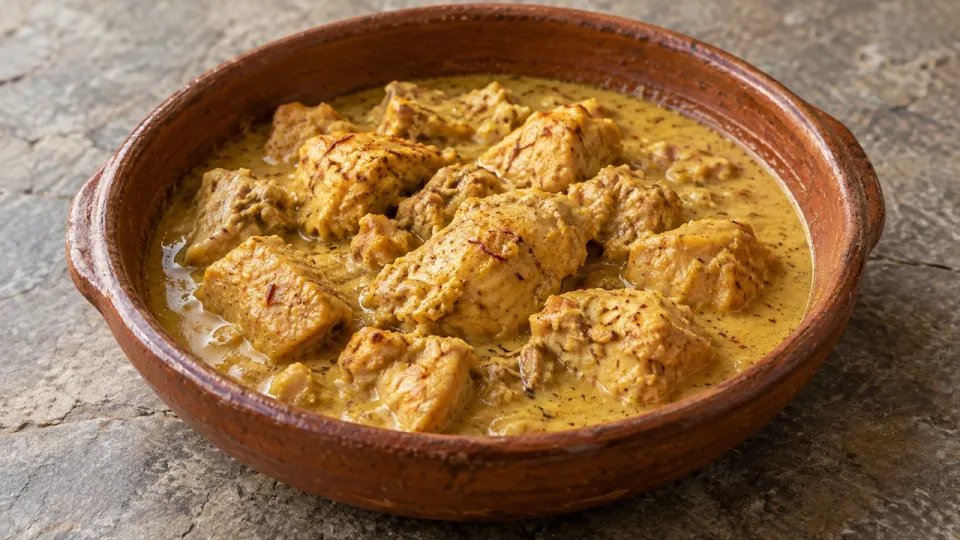
AI-generated modern recreation: chicken in a pale golden almond sauce

Inspired by a 13th-century Andalusian collection

Andalusian zirbaja: chicken with almonds

Chicken simmered with vinegar and spices meets a gently sweet almond sauce. A little saffron and rosewater give this home version its warm color and delicate aroma.