HISTORICAL RECORD
Historical Sources and Evidence
These sources provide historical context. They do not necessarily support the quantities or cooking times in the modern adaptation.
Registered as a reconstruction based on sources. Distinguish the source's account from inference and modern adjustments.
Statements supported by sources
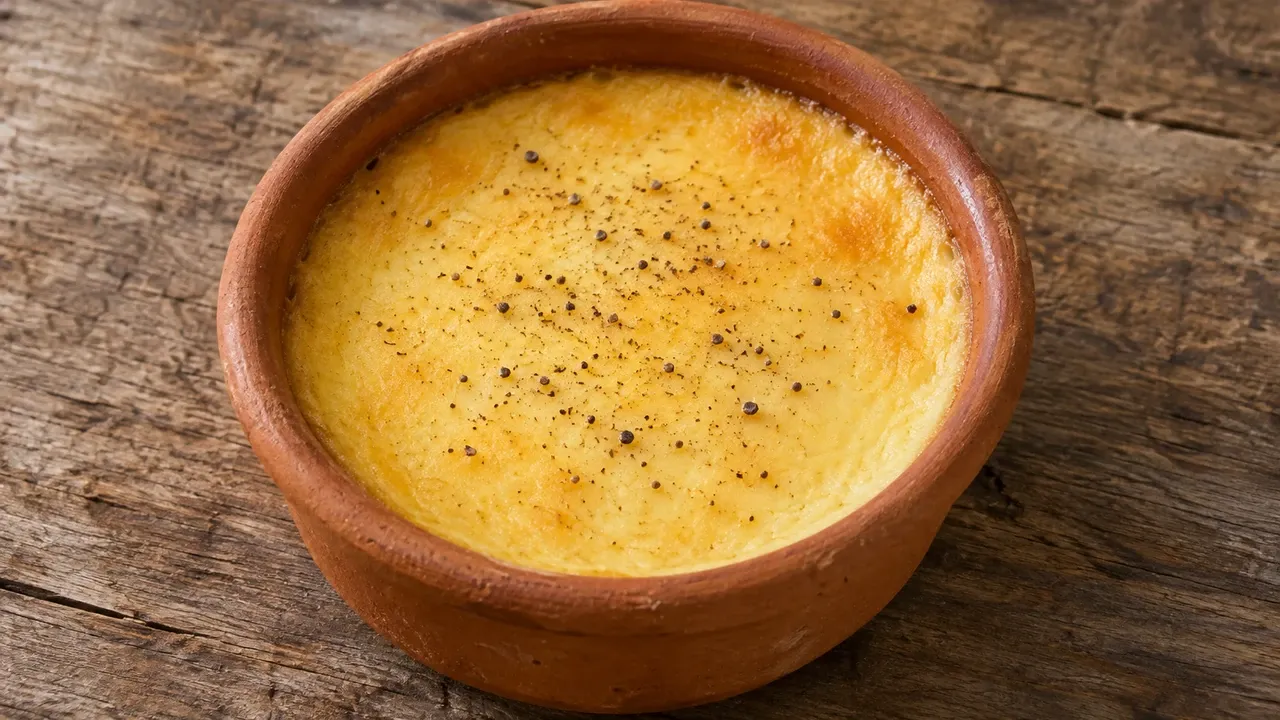
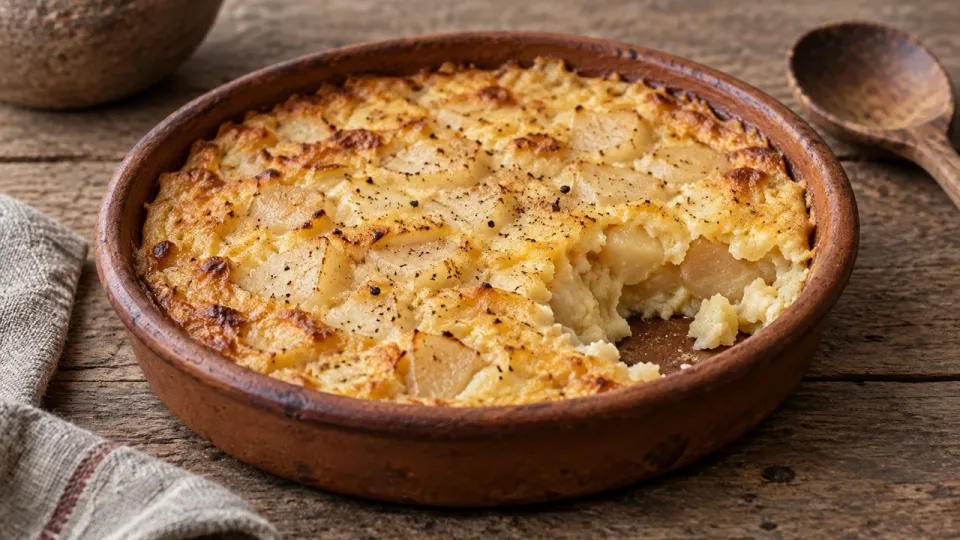
Tyropatinam mixes milk and honey with 5 eggs per sextarius, or 3 per hemina, strains it into a vessel, cooks gently until set and finishes with pepper.
Inference and interpretation
- The modern millilitre quantities are not an exact conversion of ancient units. Neither caramel nor cheese appears among the ingredients of this passage.
Modern adjustments
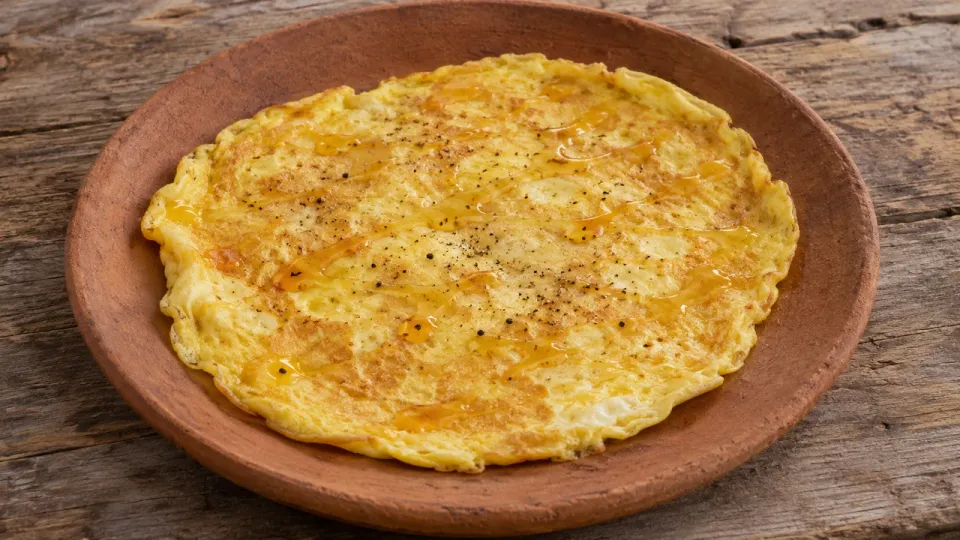
- The 300mL milk and 3-egg formula, a 150°C water bath with a 35–45 minute guide, measured centre of at least 72°C and refrigeration at 4°C or below are modern. This differs from the existing pan-cooked ova spongia.
Sources and references
- Apicius, De re coquinaria, PHI Latin Texts 7.11.7: Tyropatinam
- Publication or composition year
- Late-antique collection
Open source: https://latin.packhum.org/loc/2003/1/60/191-194The PHI electronic passage numbered 7.11.7 was read; other editions and manuscripts were not fully collated.
- FoodSafety.gov: Safe Minimum Internal Temperatures
- Publication or composition year
- 2024
Open source: https://www.foodsafety.gov/food-safety-charts/safe-minimum-internal-temperaturesThe egg-dish guideline is 160°F (about 71°C); this adaptation checks for at least 72°C at the centre, distinct from the oven setting.
- 厚生労働省:ハチミツを与えるのは1歳を過ぎてから
- Publication or composition year
- Current guidance
Open source: https://www.mhlw.go.jp/stf/seisakunitsuite/bunya/0000161461.htmlRead the under-one warning and the explanation that ordinary cooking does not eliminate the spores.
- FoodSafety.gov: Cold Food Storage Chart
- Publication or composition year
- 2023
Open source: https://www.foodsafety.gov/food-safety-charts/cold-food-storage-chartsGeneral refrigeration guidance is 4°C or below. Same-day consumption is a conservative condition for this adaptation, not a measured shelf life.