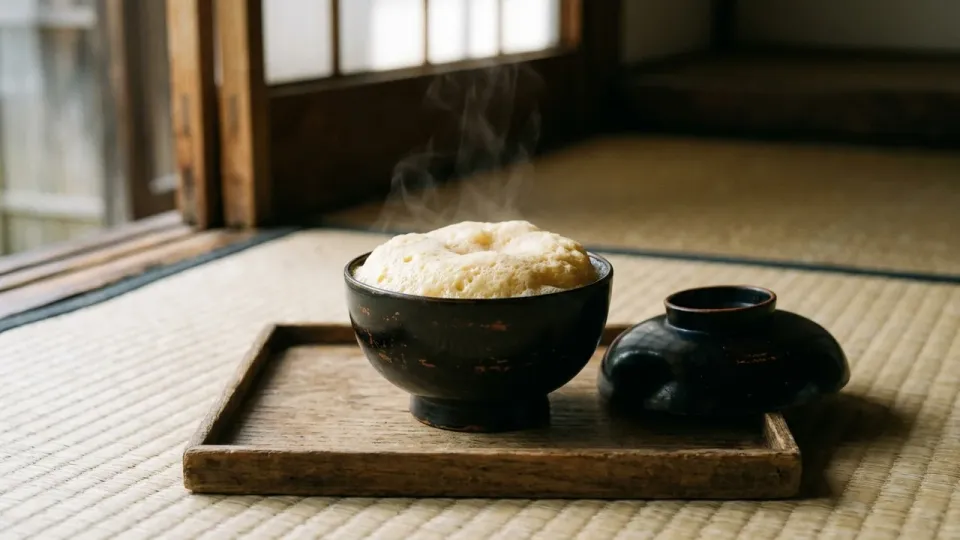
Edo Period, Japan · Edo Period
Tamago Fuwafuwa
An account of Tamago Fuwafuwa in a 1915 transcription of Ryori Monogatari. Uncertain dashitamari and heating methods are separated from a steamed modern proposal that omits irizake.
Edo period (cookbook published 1643)
A modern home proposal inspired by the irizake in Ryori Monogatari: sake reduced with umeboshi, bonito and tamari. About 200 mL is a proposed yield; treat the result as an alcohol-containing seasoning.
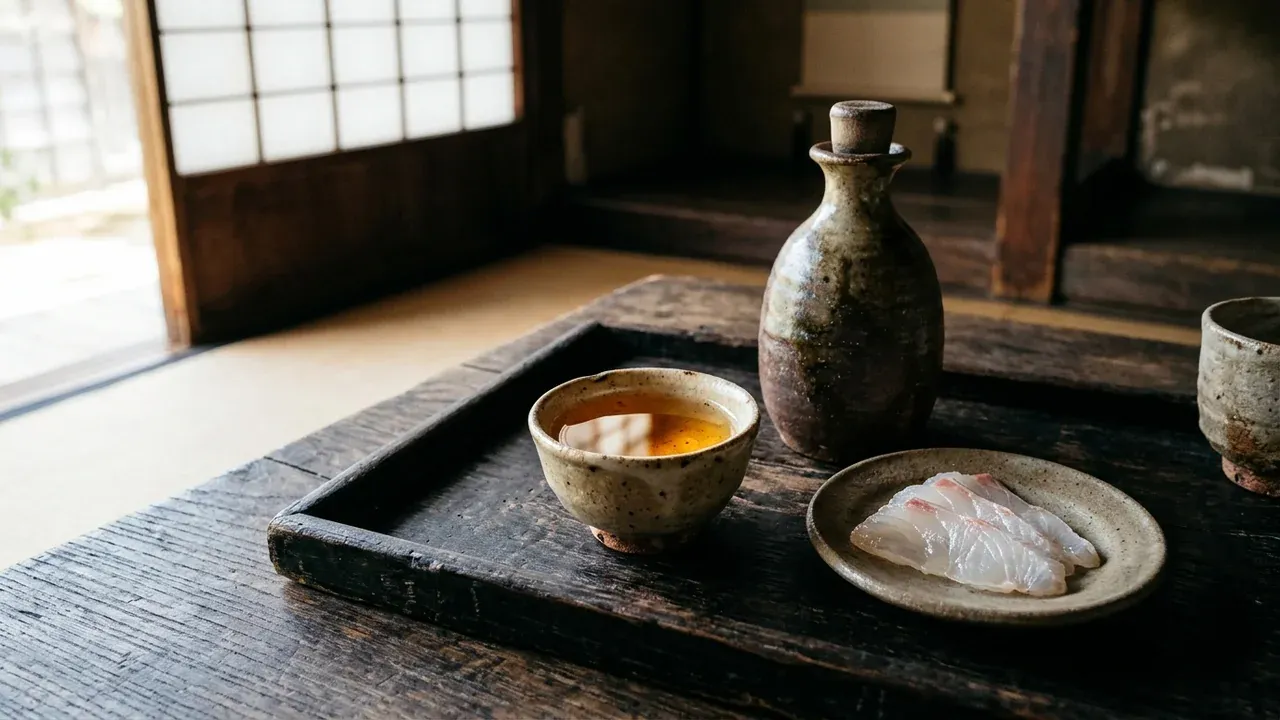
MODERN RECREATION
HISTORICAL RECORD
These sources provide historical context. They do not necessarily support the quantities or cooking times in the modern adaptation.
Registered as a reconstruction based on sources. Distinguish the source's account from inference and modern adjustments.
The university’s quotation specifies 1 sho bonito, 15–20 umeboshi, 2 sho old sake and a little water/tamari, reduced to 1 sho and strained; an alternative reduces 2 sho sake plus 1 sho water to 2 sho.
Read the university’s quotation of Ryori Monogatari (1643), section 8. Neither the 1643 printed book nor NDL’s 1915 transcription images were collated here. The university’s 2008 reconstruction is distinct.
General modern hygiene, heating and cooling guidance; not a trial or shelf-life validation of this recipe.
© History Meshi / Antigravity (AI-generated recreation, STEP 192)
Source: AI-generated modern adaptation / AI生成による現代再現イメージ; historical appearance and setting unverified
Edo Period, Japan · Edo Period
An account of Tamago Fuwafuwa in a 1915 transcription of Ryori Monogatari. Uncertain dashitamari and heating methods are separated from a steamed modern proposal that omits irizake.
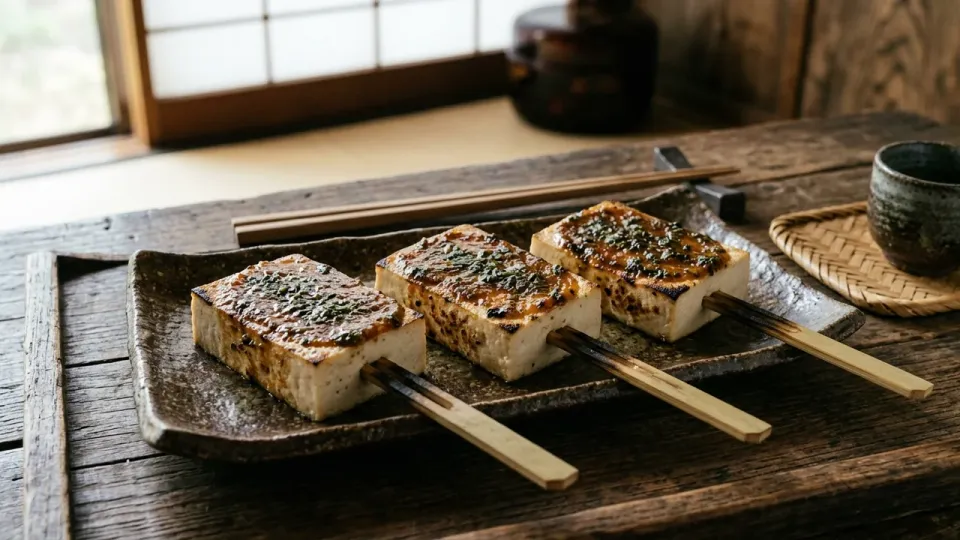
Edo Period, Japan · 1603–1868 CE
Kinome Dengaku appears in Tofu Hyakuchin, a Japanese cookbook published in 1782. Historical evidence is separated from modern changes.
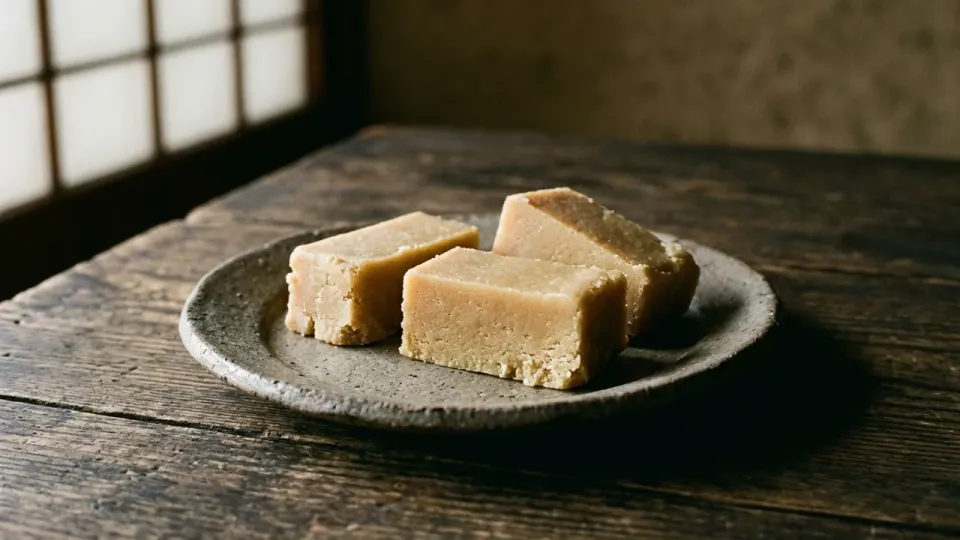
Heian period (Engishiki compiled in 927 CE) · Heian Period
A modern home proposal for So, a historical Japanese preparation made by reducing milk. The brief account in the Engishiki is distinguished from later interpretations and the cooking steps proposed here.